



type of centrifuge
Centrifuges are devices that use centrifugal force to separate liquid from solid particles or components in liquid mixtures. They can be divided into various types based on purpose, structure, separation principle, etc. Below are common classifications and characteristics of centrifuges:
 |  |
1. Classification by Separation Principle:
1. Filter Centrifuges
- **Principle**: Centrifugal force drives the liquid in the suspension through filter media (filter cloth, screen, etc.), retaining solid particles for separation.
- **Characteristics**: Suitable for suspensions with larger particles (>5μm) and high solid content (>10%), such as separation of gypsum or sucrose crystals.
- **Common Equipment**: Three-foot centrifuges,刮刀卸料离心机 (scraper discharge centrifuges).
2. Sedimentation Centrifuges
- **Principle**: Centrifugal force causes components with different densities in suspensions or emulsions to settle and layer (e.g., solid particle sedimentation or liquid-liquid separation).
- **Characteristics**: Suitable for separating fine particles (<5μm) or immiscible liquids, such as wastewater treatment, crude oil dehydration, and biological sample separation.
- **Common Equipment**:
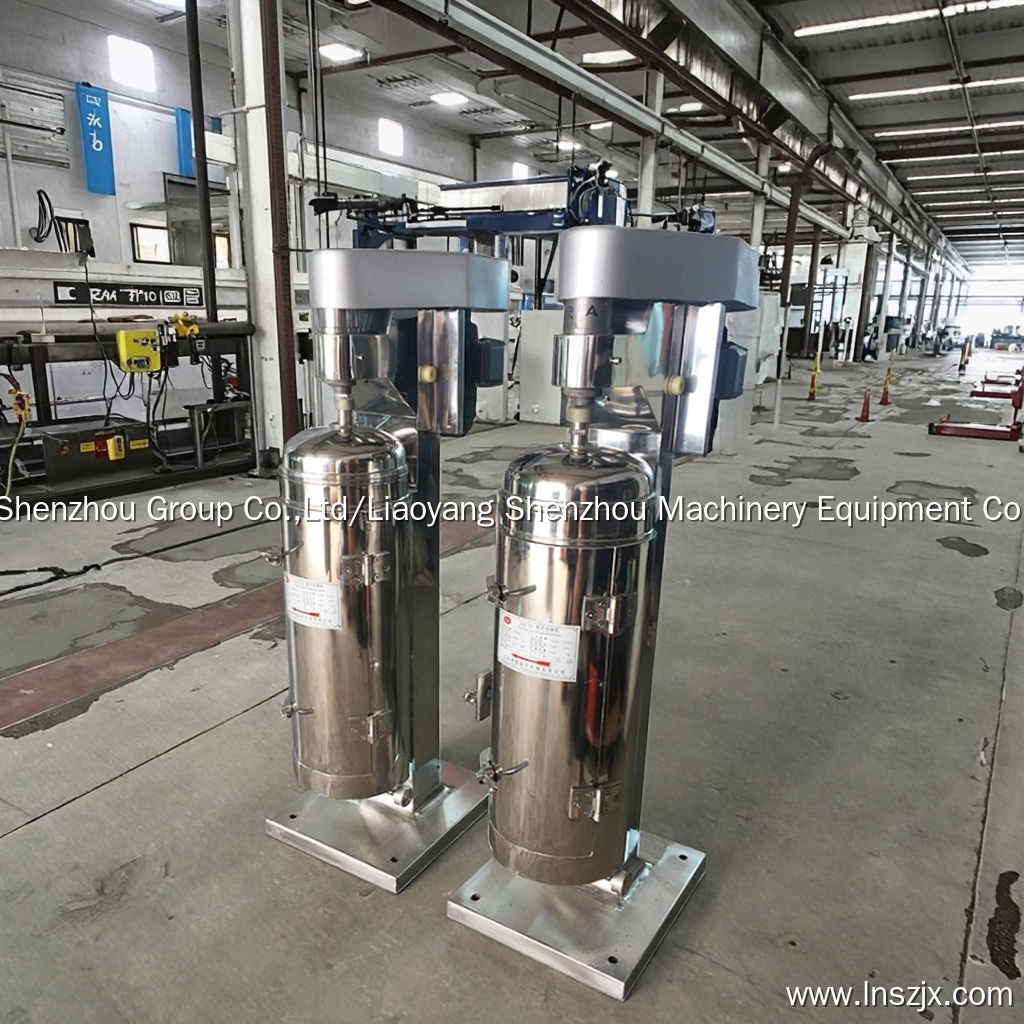
- **Tubular Centrifuges**: High-speed rotation (15,000–50,000 rpm), used for separating extremely fine particles or emulsions (e.g., blood plasma, degumming of vegetable oil).
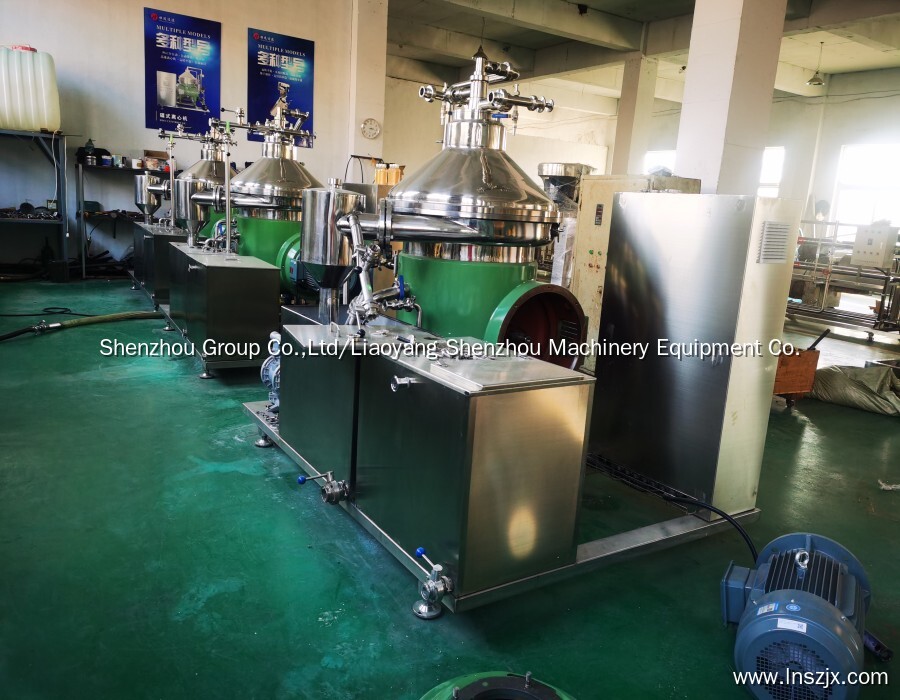
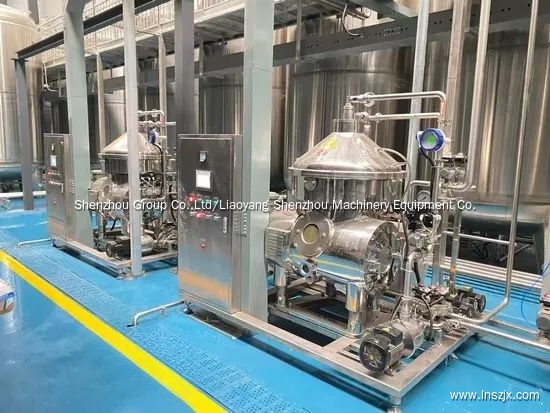
- **Disc Centrifuges**: Stacked conical discs accelerate sedimentation, suitable for liquid-liquid separation (e.g., oil-water separation) or liquid-solid-liquid three-phase separation (e.g., dregs removal in dairy products).
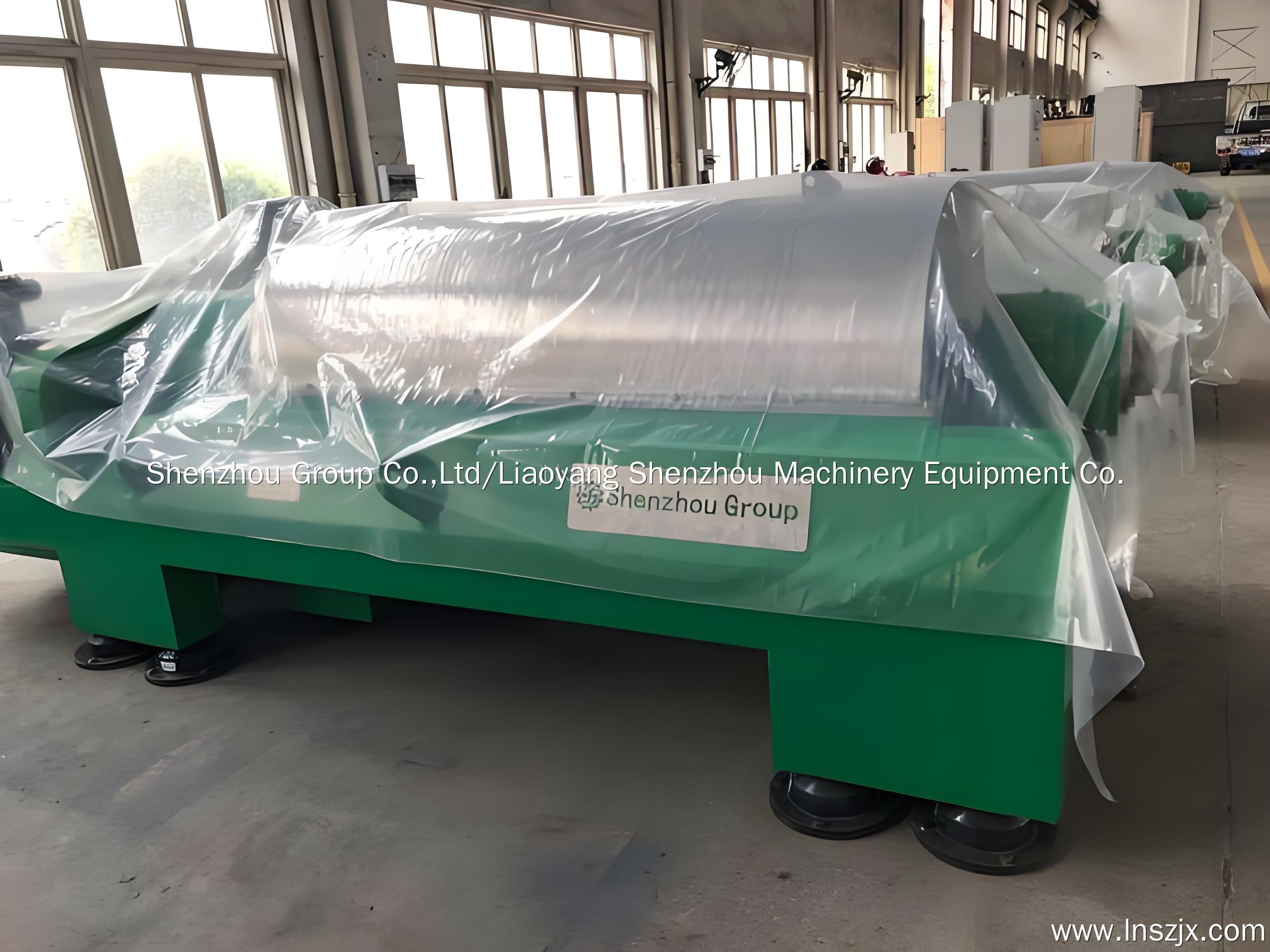
- **Horizontal Screw Centrifuges (Decanters)**: Continuous operation, discharging solids via a screw pusher, commonly used in industrial wastewater treatment and food processing (e.g., juice clarification).
2. Classification by Rotational Speed:
1. **Low-Speed Centrifuges**
- **Speed**: <3,000 rpm
- **Purpose**: Separation of large solid particles or precipitates, such as blood separation in clinical tests or yeast cell collection.
2. **Medium-Speed Centrifuges**
- **Speed**: 3,000–15,000 rpm
- **Purpose**: Separation of biological samples (e.g., cells, bacteria) and dehydration of chemical raw materials.
3. **High-Speed Centrifuges**
- **Speed**: 15,000–50,000 rpm
- **Purpose**: Separation of fine particles or high-purity samples, such as protein purification and virus research (requires cooling function to prevent sample denaturation).
4. **Ultracentrifuges**
- **Speed**: >50,000 rpm (up to 1,000,000 rpm)
- **Purpose**: Molecular-level separation (e.g., DNA/RNA centrifugation, colloid particle analysis), operated in a vacuum to reduce heat and resistance.
**3. Classification by Operation Mode**
1. **Batch Centrifuges**
- **Characteristics**: Batch operation, requiring manual or automatic control of feeding, separation, and discharging processes, suitable for small-batch or multi-variety production.
- **Equipment**: Three-foot centrifuges, piston pushers.
2. **Continuous Centrifuges**
- **Characteristics**: Continuous input and discharge of materials, high automation, suitable for large-scale production.
- **Equipment**: Decanters, disc separators, spiral discharge filter centrifuges.
4. Classification by Structure and Discharge Method**
1. **Three-Foot Centrifuges**
- **Structure**: Body suspended by three feet, good vibration damping, manual or automatic discharge.
- **Purpose**: Laboratory or small-scale industrial production (e.g., pharmaceuticals, chemicals), suitable for processing deformable particles.
2. **Scraper Discharge Centrifuges**
- **Characteristics**: After separation, a scraper automatically removes solid materials, suitable for sticky or non-flowable materials (e.g., salts, resins).
3. **Piston Pusher Centrifuges**
- **Characteristics**: Continuous discharge via periodic piston pushing of solids, suitable for uniform, free-flowing particles (e.g., urea, sugars).
4. **Centrifugal Filter Machines**
- **Combines Filtration and Centrifugation**: First filters, then centrifuges to increase solid moisture content, used in mine tailings treatment, starch dehydration, etc.
**5. Special-Purpose Centrifuges**
1. **Laboratory Centrifuges**
- **Types**: Small benchtop centrifuges, refrigerated centrifuges (maintain low temperature to prevent biological sample degradation), microcentrifuges (process μL-level samples).
- **Purpose**: Medical testing, molecular biology experiments (e.g., PCR product separation).
2. **Industrial Centrifuges**
- **Application Fields**: Chemical, food, pharmaceutical, environmental (e.g., sludge dewatering), mineral processing, etc.
- **Characteristics**: Large processing capacity, corrosion resistance, customizable explosion-proof design.
3. **Biopharmaceutical Centrifuges**
- **Requirements**: Aseptic design, easy cleaning (CIP/SIP in-line cleaning and sterilization), used for separating biological products like vaccines and antibodies.
4. **Supercritical Fluid Centrifuges**
- **Principle**: Combined with supercritical fluid technology, used for separating heat-sensitive materials (e.g., natural product extraction).
**6. Classification by Separation Phase**
- **Solid-Liquid Separation**: e.g., sludge dewatering in wastewater treatment, mineral processing.
- **Liquid-Liquid Separation**: e.g., oil-water separation, separation of organic solvents and water.
- **Liquid-Solid-Liquid Separation**: e.g., separating fine solid particles from emulsions (e.g., juice dregs removal).
**Key Factors for Selection**
When choosing a centrifuge, consider:
1. **Material Properties**: Particle size, concentration, viscosity, corrosiveness, thermal sensitivity.
2. **Separation Objectives**: Recovery rate, purity, moisture content requirements.
3. **Throughput**: Batch or continuous production needs.
4. **Cost**: Equipment investment, energy consumption, maintenance costs.
5. **Safety and Compliance**: Explosion-proof, aseptic, environmental standards (e.g., wastewater discharge standards).
For example, low-speed centrifuges are used for blood separation in labs, decanters for industrial wastewater sludge dewatering, and ultracentrifuges with refrigeration for high-purity biological sample separation.
 |  |
