


İçindekiler
Shenzhou Machinery - Çin'de Profesyonel Endüstriyel Santrifüj Makinesi Üreticisi ve Tedarikçisi

Madencilik Sektöründe Dekantör Santrifüjlerinin Uygulanması
2025-11-15
×
# Dekantör Santrifüjler: Madencilik Sektöründe Katı-Sıvı Ayırmanın Temel Ekipmanları
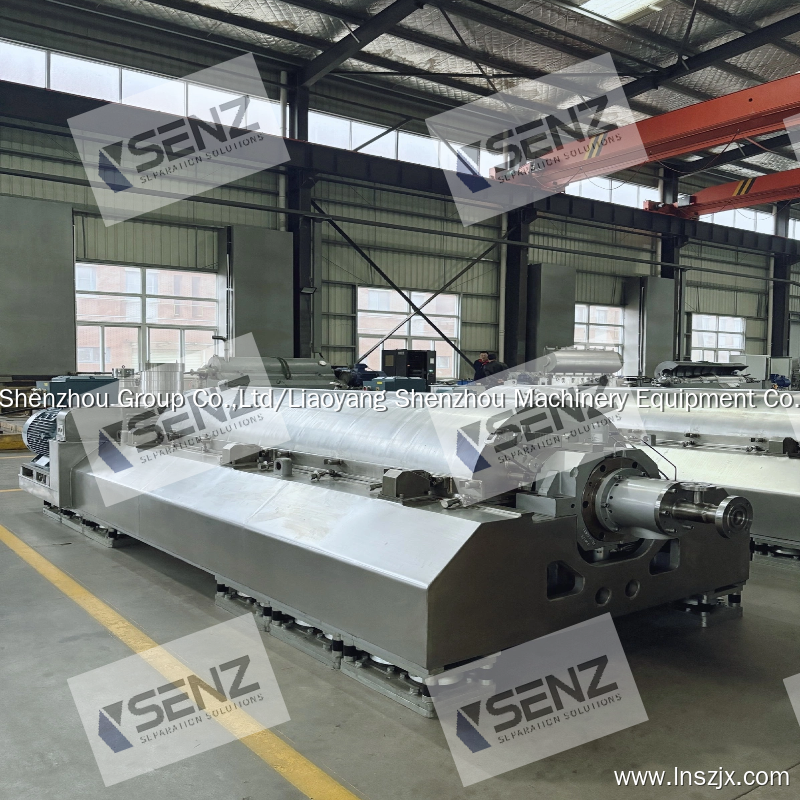
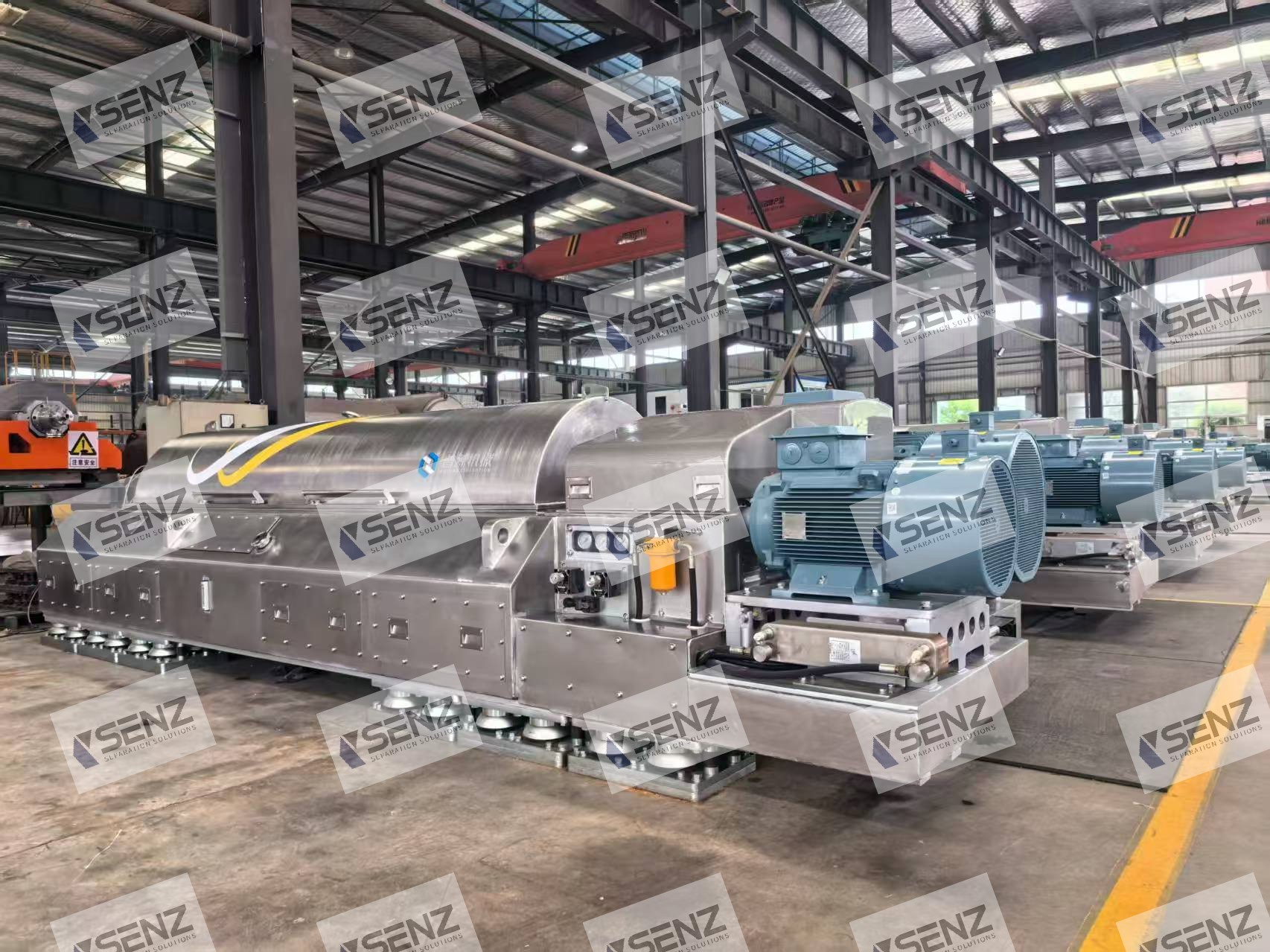
Dekantör santrifüjler, madencilik sektöründe **temel katı-sıvı ayırma ekipmanıdır**. Başlıca mineral bulamacının susuzlaştırılması, atık işleme ve atık suyun yeniden kullanımı gibi kritik süreçlerde kullanılırlar. Bu santrifüjler, mineralleri sudan/reaktiflerden verimli bir şekilde ayırarak üretim verimliliğini çevresel uyumlulukla dengeler ve çeşitli madencilik senaryoları için uygundur.
## Temel Uygulama Senaryoları
### 1. Mineral Çamurunun Susuzlaştırılması ve Ayrıştırılması
Bu işlem, katı mineralleri reaktif içeren sulu çözeltilerden ayırmak için flotasyon ve yerçekimi ayırma işlemlerinden sonra mineral bulamaçlarını işler. Örneğin:
- Kömür endüstrisinde, temiz kömürü/atık kömürü susuzlaştırır.
- Metal madenlerinde (bakır, demir, kurşun-çinko madenleri) konsantrelerin suyunu uzaklaştırır.
Sonuç olarak, düşük nem içeriğine sahip katı mineraller elde edilir (bu da taşımayı ve sonraki işlemleri kolaylaştırır), sulu çözelti ise yeniden kullanılmak üzere geri dönüştürülür.
### 2. Atıkların Kuru İstifleme İşlemi
Madencilik atıklarında (mineral işleme sonrası oluşan atık cüruf çamuru), katı-sıvı ayrımı santrifüj kuvveti yoluyla sağlanır:
- Atık cürufunun nem içeriği %20-30'a kadar düşürülebilir ve kuru istiflenmiş atıklar oluşturulabilir. Bu, atık havuzlarının kapladığı alanı azaltır ve baraj arızası riskini düşürür.
- Ayrıştırılan temiz su, mineral işleme süreçlerinde yeniden kullanılabilir ve böylece su kaynaklarının korunması sağlanır.
### 3. Maden Atık Suyu Arıtımı
Madencilik atık sularını ve mineral işleme atık sularını (askıda katı maddeler, ağır metal iyonları ve mineral işleme reaktifleri içeren) arıtır:
- Sudan katı parçacıkları ve bazı kirleticileri uzaklaştırır.
- Atık suyun geri dönüşüm standartlarını (örneğin, mineral işleme için takviye suyu) karşılamasını veya deşarj edilmesini sağlayarak toprak ve su kaynaklarının kirlenmesini önler.
### 4. Ağır Orta Dereceli Kurtarma
Kömürün ağır ortam ayırma işleminde, mineral bulamaçlarından ağır ortamlar (örneğin, manyetit tozu) geri kazanılır:
- Ağır ortam kayıplarını azaltır ve mineral işleme maliyetlerini düşürür.
- Aynı anda kömür hazırlama atık suyunu arıtır.
### 5. Mineral Sınıflandırması ve Saflaştırılması
İnce taneli mineraller (parçacık boyutu: **2-50 μm**) için, santrifüj parametreleri ayarlanarak iri-ince parçacık sınıflandırması sağlanır:
- Hedef mineralleri zenginleştirir ve sonraki mineral işleme süreçlerinin verimliliğini artırır.
- Tipik uygulamalar arasında metal içermeyen madenlerde kuvars kumu ve kaolinin sınıflandırılması ve saflaştırılması yer almaktadır.
## Uygulamalarda Temel Avantajlar
### 1. Verimli Sürekli Çalışma
- İşleme kapasitesi **10-100 m³/saat** aralığındadır ve büyük ölçekli madencilik üretimi için uygundur.
- Cüruf boşaltımı için herhangi bir kapatmaya gerek duyulmaması, mineral bulamaç işleme verimliliğini önemli ölçüde artırır.
### 2. Aşınma ve Korozyon Direnci
- Islak yüzeyler aşınmaya dayanıklı alaşımlardan (örneğin, dubleks çelik, Hastelloy) veya kauçuk kaplamalardan yapılmıştır.
- Yüksek sertlikteki maden çamurlarının (kuvars kumu gibi aşınmaya dayanıklı parçacıklar içeren) ve asidik/alkali mineral işleme reaktiflerinin neden olduğu erozyona karşı dayanıklıdır ve uzun bir kullanım ömrü sağlar.
### 3. Su Tasarrufu ve Çevre Dostu Yaklaşım
- Ayırma işleminden sonra su kaynağı geri kazanım oranı **%80**'i aşarak madenlerdeki tatlı su tüketimini azaltmaktadır.
- Atıkların kuru olarak istiflenmesi, çevresel baskıyı azaltarak "yeşil maden" inşaatı gerekliliklerine uygunluk sağlar.
### 4. Güçlü Uyarlanabilirlik
- Yüksek katı madde içeriğine (%5-%40) ve yüksek viskoziteye (≤200 mPa·s) sahip bulamaçları işleyebilme kapasitesine sahiptir.
- Dönme hızını (**2000-4500 rpm**) ve diferansiyel hızı (**3-20 rpm**) ayarlayarak, kömür, metal cevherleri ve metal olmayan cevherler de dahil olmak üzere farklı mineral türlerinin işleme ihtiyaçlarına uyum sağlar.
## Mineral Türüne Göre Tipik Uygulama Örnekleri
# ## 1. Kömür Sanayisi
Bir kömür madeninin büyük bir kömür hazırlama tesisi, ağır ve orta dereceli kömür ayrıştırmasından sonra kalan atık çamurunu işlemek için **LW serisi dekantör santrifüjleri** kullanmaya başladı:
- İşleme kapasitesi: 30 m³/saat.
- Atık kömürün nem içeriği %75'ten %25'e düşürüldü.
- Manyetit tozu geri kazanım oranı %98'e ulaştı.
- Ağır ve orta ölçekli tedarik maliyetlerinde yıllık tasarruf 2 milyon RMB'yi aştı.
- Atık suların tamamı kömür üretiminde yeniden kullanılarak yıllık 120.000 ton su tasarrufu sağlandı.
### 2. Bakır Madenleri
Jiangxi eyaletindeki bir bakır madeninde flotasyon atıklarının kuru istiflenmesi için dekantör santrifüjler kullanıldı:
- Atık çamurunun katı madde içeriği: %25.
- İşlem sonrası atık malzemenin nem içeriği: %28.
- Kuru istifleme için gereken arazi miktarı, geleneksel atık havuzlarına kıyasla sadece 1/3 oranındaydı.
- Ayrıştırılan atık suyun KOİ giderme oranı %60'a ulaşarak, geri dönüştürülmüş mineral işleme standartlarını karşıladı ve çevredeki nehirlere verilen kirliliği azalttı.
### 3. Kuvars Kum Madenleri
Anhui eyaletindeki bir kuvars kumu işleme tesisinde ince taneli kumun sınıflandırılması için dekantör santrifüjler kullanılmıştır:
- Parçacık boyutu ≤10 μm olan ayrıştırılmış safsızlık parçacıkları.
- Kuvars kumunun saflığı %98,5'ten %99,9'a yükseldi.
- Sınıflandırma verimliliği, geleneksel spiral sınıflandırıcılara göre %40 daha yüksekti.
- Yüksek kaliteli cam ve elektronik sınıfı kuvars kumu üretim ihtiyaçları için uygundur.
### 4. Demir Cevheri Sanayisi
Hebei eyaletindeki bir demir madeninde, manyetik ayırma işleminden sonra demir konsantresi bulamacını işlemek için dekantör santrifüjler kullanıldı:
- Konsantre malzemenin nem içeriği %35'ten %18'e düşürüldü, bu da sonraki sinterleme ve peletleme işlemlerini kolaylaştırdı.
- Bulamaçtan flotasyon reaktif çözeltileri eş zamanlı olarak geri kazanıldı; geri dönüşüm sonrasında reaktif tüketimi %30 azaldı.
# # Temel Teknik Uyarlama Noktaları
### 1. Malzeme Seçimi
- Yüksek sertlikteki bulamaçlar için (örneğin, kömür, kuvars kumu): Islak kısımlarda **aşınmaya dayanıklı alaşım + kauçuk kaplamalar** kullanılmalıdır.
- Asidik reaktifler içeren bulamaçlar için (örneğin, bakır cevheri, pirit): **316L paslanmaz çelik veya Hastelloy** tercih edilir.
### 2. Parametre Ayarlaması
- Dönme hızı ayarı: İri taneli bulamaçlar için **2000-3000 rpm**, ince taneli bulamaçlar için ise **3000-4500 rpm** seçin.
- Ayırma verimliliği ve katı madde geri kazanım oranı arasında denge sağlamak için diferansiyel hız **3-20 rpm** aralığında kontrol edilir.
### 3. Eşleştirme İşlemi
- Genellikle koyulaştırıcılar (ön yoğunlaştırma için) ve filtre presleri (derin susuzlaştırma için) ile birlikte kullanılarak "**ön yoğunlaştırma - santrifüj ayırma - derin susuzlaştırma**" işlem zinciri oluşturulur.
- Örnek: Atıklar önce bir koyulaştırıcı ile %30 katı madde içeriğine kadar yoğunlaştırılır, ardından bir dekantör santrifüj ile ayrıştırılır ve son olarak bir filtre presi ile nem içeriği ≤%15'e kadar susuzlaştırılır.
 |  |
ReviewsNumber of comments: {{ page.total }}
I want to comment?
{{item.nickname ? (item.nickname.slice(0, 2) + '*****') : item.source === 1 ? 'mall buyer' : '--'}}
{{item.comment_time}}
Review in the {{item.country}}
Reviews
Merchant
{{replyItem.nickname ? (replyItem.nickname.slice(0, 2) + '*****') : replyItem.source === 1 ? 'mall buyer' : '--'}}
{{replyItem.parent_nickname ? (replyItem.parent_nickname.slice(0, 2) + '*****') : '--'}}
{{replyItem.is_merchant_reply === 1 ? replyItem.reply_time : replyItem.comment_time}}
Review in the {{replyItem.country}}
Reviews

No customer reviews
Sizin için önerilenler
Mesaj bırakın
Ayırma ve filtreleme alanında çalışmak isteyen herkesi bizimle çalışmaya davet ediyoruz. Ayrıca daha iyi hizmet ve kapsamlı pazarlama sağlamak için nitelikli dünya çapında acenteler arıyoruz.
Telif hakkı © 2026 Shenzhou Machinery, Shenzhou Group'un ana iştirakidir | Site Haritası