



How to Choose Between 2-Phase and 3-Phase Decanter Centrifuges - Cost vs Efficiency
Centrifuge plays a crucial role in the food industry. It mainly separates solids and liquids from a mixture. Also, you can use it to separate different densities of a liquid mixture. The decanter centrifuge is one of the most common ones here. It typically comes with two types: 2-phase and 3-phase centrifuges.
Choosing between these two types could be tricky. Although their functionalities are the same, they differ in their separation capabilities, which is the core function of the device. In this article, we will explain what decanter centrifuges are and how each type works. Later, we will conduct thorough research on how to choose between two-phase and three-phase decanter centrifuges. We will mainly analyze cost and efficiency in this research.
What is a Decanter Centrifuge Separator?
A decanter centrifuge separator is a popular type of centrifuge used in the food industry. The term decanter typically refers to a container used to separate or pour off liquids.
The decanter centrifuge features a horizontal setup and includes a long, cylindrical bowl. Inside the bowl, you can find a rotating screw conveyor. As the entire unit spins, this screw typically separates the solid materials from the liquid.
The decanter centrifuge is ideal for use in high-volume applications. They are much bulkier than other food industry centrifuges. You can use it to process mashed fruit, vegetable pulp, wastewater sludges, or fermentation residues.
The decanter centrifuge separator has two main types. The 2-phase decanter centrifuge typically separates solid and liquid from a mixture. On the other hand, the 3-phase decanter centrifuge can separate solid, heavy, and light liquids simultaneously.
Both types use centrifugal force, but they work in slightly different ways. The work mainly depends on the materials being processed. You will know more about it in the following two sections.
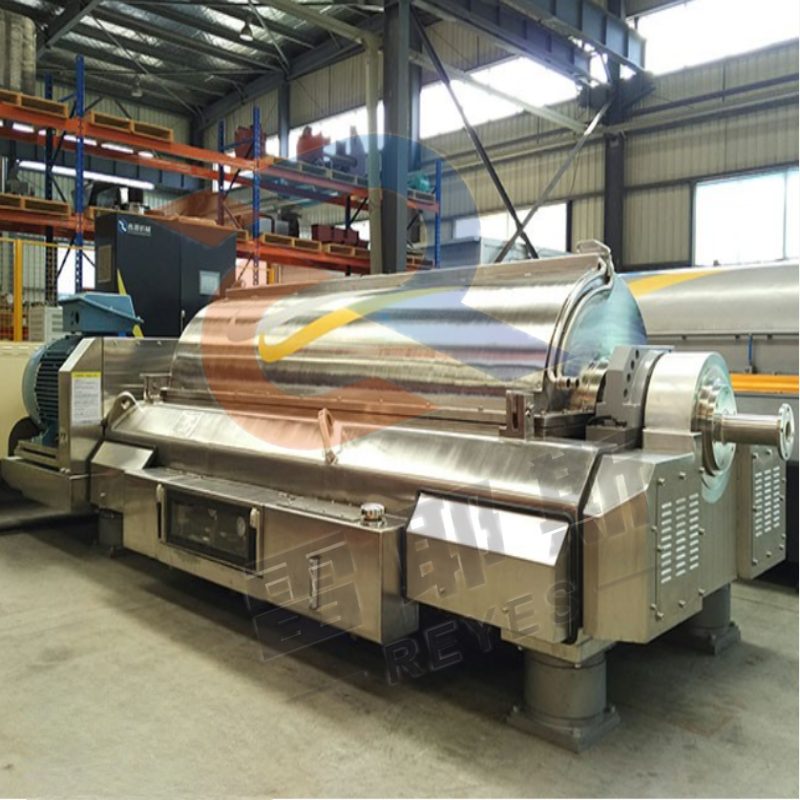
Introducing the 2-Phase Decanter Centrifuge Separator
The two-phase decanter centrifuge can separate two forms of materials simultaneously. In most cases, this device is used to separate solid from liquid. It is ideal when you only need to remove and leave behind one liquid phase.
Popular applications include wastewater treatment or food waste, where only solids and liquids are present. Besides, people also use it in mining slurry processing.
A 2-phase decanter centrifuge typically comes with a simple design. This device is relatively cheaper than a 3-phase decanter centrifuge. They also need less maintenance and are highly efficient for solid-liquid separation.
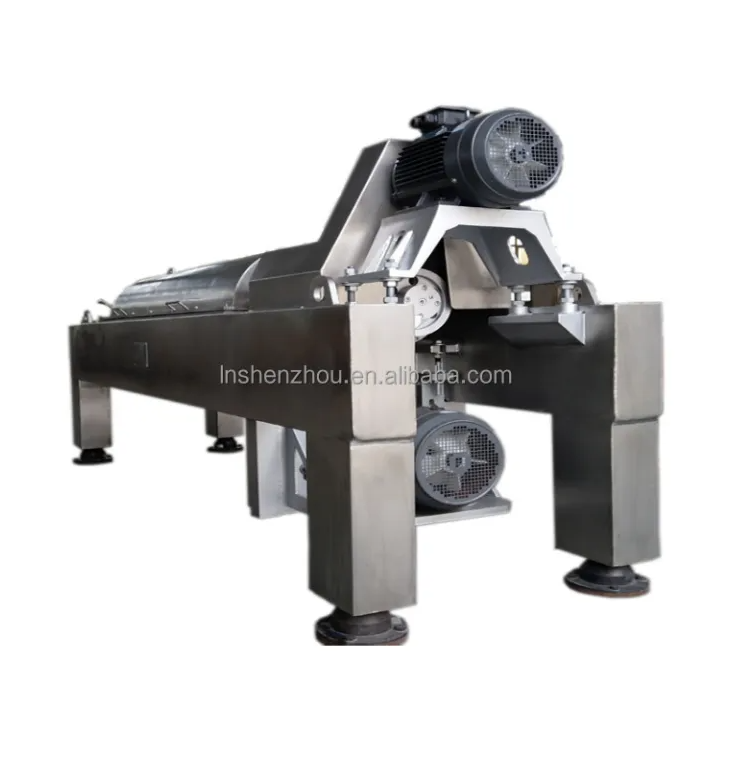
Introducing 3-Phase Decanter Centrifuge Separator
A 3-phase decanter centrifuge can separate solids and two immiscible liquids. It can be either oil and water or two liquids with different densities. This type of decanter centrifuge is ideal for recovering both liquid phases from the mixture.
A 3-phase decanter centrifuge separator comes with a more complex design. It is relatively more expensive than a 2-phase decanter centrifuge separator. You can mainly use this type of device to process edible oil, render plants, and palm oil mills. Additionally, it can be used in animal fat recovery, biodiesel production, and industrial oil separation.
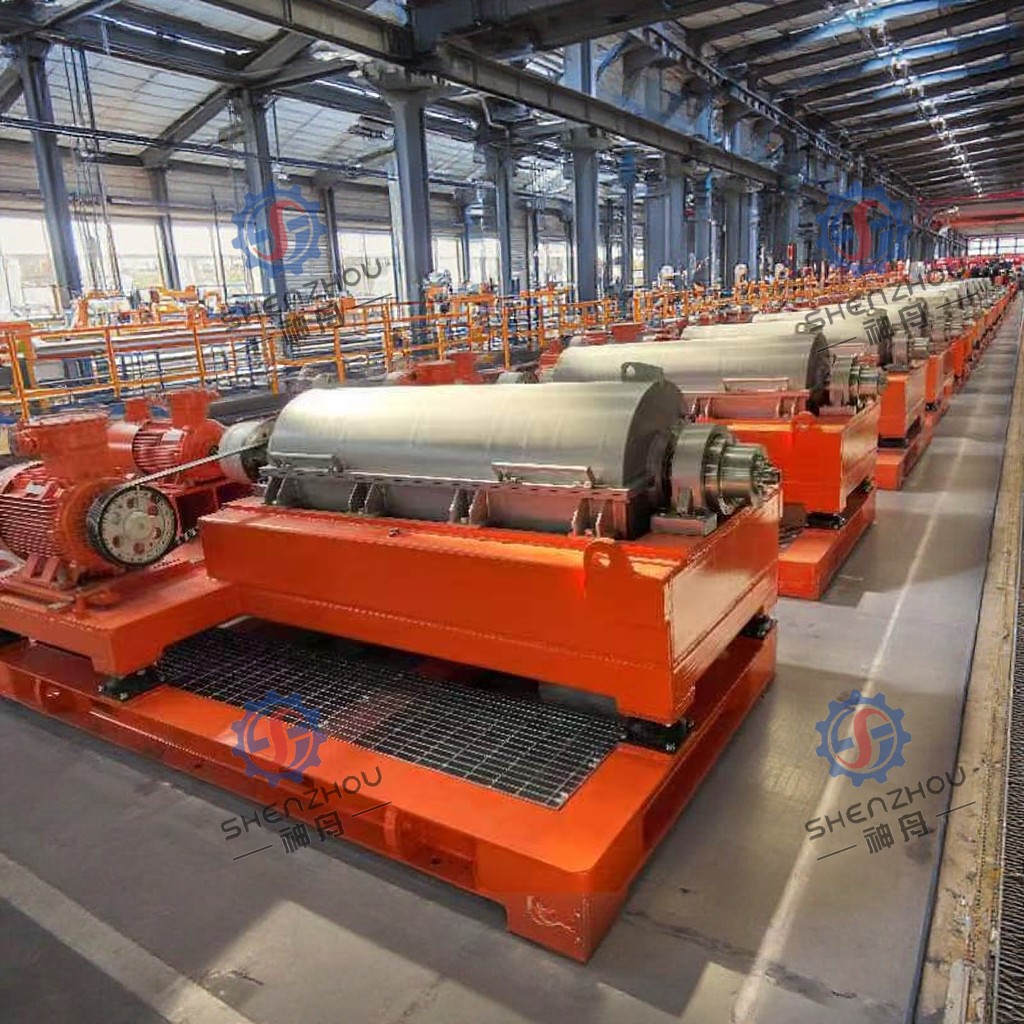
2-Phase vs 3-Phase Decanter Centrifuges: How to Choose the Right One?
Choosing between a 2-phase and 3-phase decanter centrifuge mainly depends on your project needs. What is your goal and budget? Both decanter centrifuges differ significantly in terms of cost and efficiency.
1. Cost Analysis
Cost is one of the primary factors that significantly differ between 2-phase and 3-phase decanters. The cost of a decanter centrifuge mainly depends on several factors.
First, the machine complexity highly affects the price. 3-phase decanter centrifuges have more parts and control systems. This makes them more expensive than 2-phase machines. Besides, material construction also affects the final price.
Second, larger units cost more but can handle bigger volumes. Both 3-phase and 2-phase systems may have similar capacities.
Third, more advanced controls also add to the cost. In this case, 3-phase decanters offer more controls than 2-phase decanters.
Finally, the brand and origin of the decanter also contribute significantly to the cost. Machines from Europe and the United States are typically more expensive than those from China. Chinese machinery offers the same quality level at more affordable prices.
2. Efficiency Analysis
Efficiency is more than just how much a centrifuge can process. It also includes how well it separates and how much product can be recovered. Additionally, efficiency is also measured by the amount of energy the device consumes.
A 2-phase decanter centrifuge separator is typically very effective for solid-liquid separation. Additionally, this device is significantly faster and requires less energy. Also, a 2-phase decanter centrifuge needs easy maintenance.
A 3-phase decanter can separate three components: solid, oil, and water. This device offers improved recovery of valuable products, such as oil. Additionally, a 3-phase decanter requires higher energy consumption, increased maintenance, and longer setup times. It is essential to note that a 3-phase decanter centrifuge operates at a significantly slower speed than a 2-phase one, due to the more complex process involved.
Above all, if you are aiming for high product recovery, choose the 3-phase decanter centrifuge. If you are focusing on both costs and efficiency, it's better to select a 2-phase decanter centrifuge. However, the best choice typically depends on your specific use.
Frequently Asked Questions
Does a 3-phase decanter extract more oil than a 2-phase?
Yes, A 3-phase decanter centrifuge offers a high product recovery rate. It is specially designed to separate oil, water, and solids. It can recover more oil from a mixture than a 2-phase decanter. In industries such as edible oil or animal fat recovery, this machine is highly valuable and profitable.
Is the 2-phase decanter easier to maintain?
Yes. The 2-phase decanter centrifuges have fewer moving parts. This makes it easier and cheaper to maintain. Besides, it is also easier to clean and operate. If you're looking for low maintenance and simple operation, a 2-phase decanter separator is the ideal choice.
Can I switch from 3-phase to 2-phase or vice versa later?
It is possible to switch from a 3-phase to a 2-phase system. However, please note that each machine is designed differently. If you want to switch, you may need a new bowl or scroll, change control systems, and adjust the inlet and discharge ports.
Contact Us Today
If you have any questions or are interested in various types of decanter centrifuges, please don't hesitate to contact us. Shenzhou Machinery is a leading manufacturer of different types of centrifuges. They have a very professional team of experts who are always happy to assist you.
