


Table of Contents
Reducing Downtime: 7 Maintenance Tips for Decanter Centrifuges in Mining
2025-08-14
In mining, downtime causes more disasters than just a shutdown in the operation; it is a chain reaction that affects the output, expenses, and schedules.
When a single important machine fails, tonnes of raw material are left lying idle, timelines are affected, and all the other systems within a network are put under pressure.
One of the unsung heroes that ensures that this chain does not stop is the decanter centrifuge. It separates solids from liquids every day in abrasive slurries, tailings, and waste streams, thus making the rest of the process smooth.
Yet, in the very severe conditions to which it has adapted, it also endures the effects of heavy overloads, abrasive feed, and harsh weather.
Even high-performance centrifuges can become costly bottlenecks unless a plan to assure their ongoing maintenance is established.
That is why we would like you to explore how to operate a centrifuge and offer you seven effective maintenance practices that specifically relate to mining works to ensure your machinery operates as efficiently as possible and downtime in production is kept to a minimum.
Let's dive into the details.
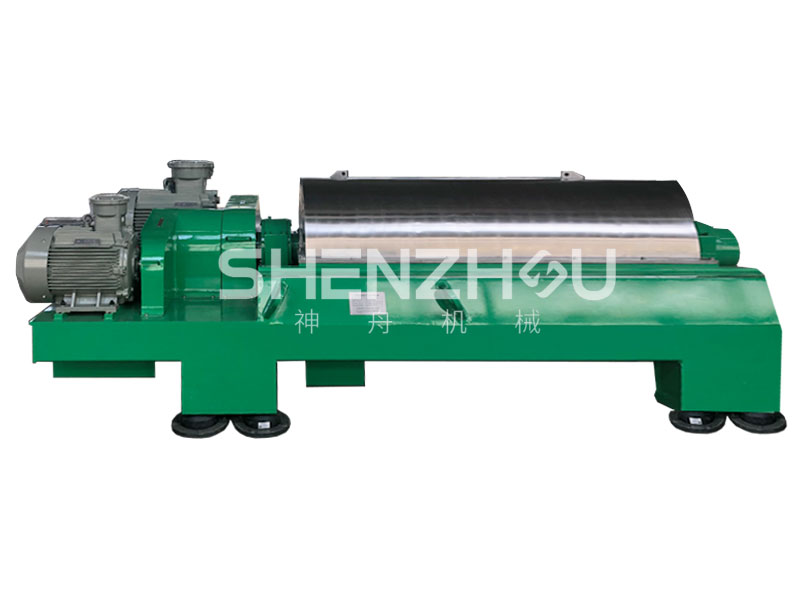
7 Maintenance Tips for Decanter Centrifuges in Mining
When the operator truly understands how to run a centrifuge, downtime naturally drops. Let’s look at some essential tips that can make mining operations smoother and far more productive.
Tip 1. Follow a Structured Inspection Schedule
Lubrication means everything to a centrifuge just as a heartbeat does to a human being. Bearings and gearboxes are exposed to massive loads, and the combination of the suitable lubricant at the correct time makes all the difference.
● Daily: Pause for a moment and listen to any unusual sounds or vibrations? Check that seals and pipe connections are tight with no leaks. Take a quick look at the feed to see if its texture and flow seem right.
● Weekly: Check drive belts, couplings, and vibration sensors. Confirm torque readings are stable.
● Monthly: Open covers and inspect the scroll, bearings, and discharge nozzles for wear or misalignment.
Here’s the real secret: document everything. Small changes in vibration or performance over time can tell you when a part is wearing out. With good logs, you can schedule repairs on your terms, not in the middle of a production crisis.
Next Up: If you want to know how well your centrifuge is really doing, don’t just look at the machine; look at what comes out of it.
Tip 2. Maintain Optimal Centrate Quality
Your Centrate (the liquid output) is like your centrifuge’s report card. Clear liquid with the right solids content means your settings, parts, and process are all working together.
● Take samples across different shifts, as feed conditions can change without warning.
● Use lab analysis or inline sensors to check clarity and solids levels.
● If clarity drops or solids spike, that’s your cue to check for bowl wear, misadjusted settings, or feed changes.
When your Centrate stays consistent, you’re not just protecting the centrifuge, but you’re also protecting everything downstream from extra work or reprocessing.
Tip 3. Adhere to Manufacturer-Approved Cleaning Practices
Cleaning components isn’t glamorous, but it’s a game-changer. Over time, slurry residue and fine solids can sneak into every corner of the bowl and scroll. That buildup chokes efficiency, throws off balance, and wears parts faster.
Manufacturers like Shenz specify cleaning intervals and approved agents for a reason: they’ve tested what works without damaging coatings, seals, or precision surfaces.
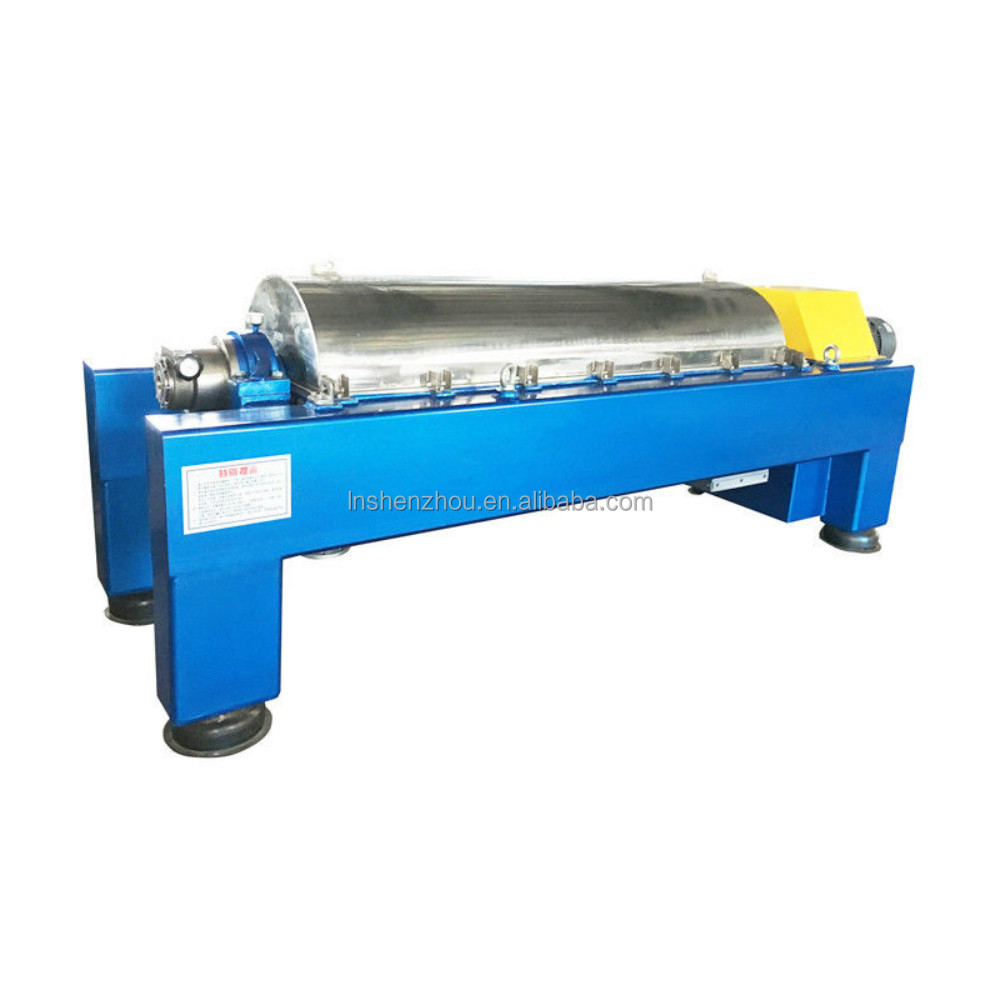
For example, the Waste Treatment Sludge Water Solid Waste Separator Decanter Centrifuge comes with clear guidelines to match its materials and duty cycle.
If you’re wondering how to clean decanter equipment the right way, here’s the playbook:
● Clean before performance drops, not after.
● Use approved detergents or flushing solutions only.
● Avoid high-pressure jets near seals.
● After cleaning, always check alignment and lubrication.
AI-powered maintenance tools can even predict when the components need cleaning as they can assess by analyzing vibration patterns and Centrate quality data. This way, you can plan the repairs into your schedule instead of reacting at the last minute.
Tip 4. Lubricate Bearings And Gearboxes Precisely
Lubrication is like a centrifuge’s heartbeat that must be steady, consistent, and critical for survival.
Bearings and gearboxes endure huge loads, so the right lubricant at the right time makes all the difference.
● Follow the manufacturer’s lubricant grades. Adjust intervals to match your site’s workload.
● Check bearing temperature and vibration every shift. AI-enabled monitoring sensors can analyze readings in real time, spotting heat spikes or micro-vibrations long before a failure occurs.
Note: Do not make it too much. An excessive amount of grease will absorb heat and dirt, a concept that provides greater harm than usefulness.
In conditions of the right lubrication, friction is reduced, and parts operate efficiently, and breakdowns are much less frequent. However, even the most thorough lubrication won’t save a part that is worn out. Then it is time to intervene, to replace it, and maintain the rest of the system functioning to the best.
Tip 5. Replace Wear Parts Before Failure
Mining slurries are unforgiving. Scrolls, discharge nozzles, and bowl liners all endure heavy operational loads, so waiting for them to fail is asking for days (or weeks) of downtime.
So what you do at this phase is:
● Don't forget to keep essential spares ready to stock to use them at the time of need and prevent downtime. Rushing to buy them at the last minute can push you into trouble.
● Upgrade to wear-resistant materials or coatings when possible.
● Replace parts proactively, based on inspection and performance data.
Think of it like changing brake pads; remember it’s far cheaper to do it early than to rebuild the whole system later. Of course, part of life isn’t just about materials, but it’s also about how you run the machine.
Tip 6. Optimize Operating Parameters
Operating a centrifuge isn’t “set it and forget it.” Feed composition changes with different mining phases, and your settings should adapt.
● Adjust feed rate, differential speed, and pond depth in small steps.
● Track the effect on Centrate clarity and solid dryness.
● Revisit settings regularly to keep efficiency high without adding mechanical stress.
Fine-tuning like this can boost output and reduce wear; the best part is that no expensive upgrades are required. And if you’re not sure how to make those adjustments with confidence, our last tip can close that gap fast.
Tip 7. Leverage Training & Support Services
Even experienced operators benefit from training refreshers, especially when AI monitoring systems and advanced models come into play.
Shenzhou offers hands-on training for operation, maintenance, and troubleshooting, plus 24-hour technical support so you’re never stuck waiting for answers. With AI-assisted diagnostics, operators can spot issues in real time, while still having expert human guidance for repairs and adjustments.
Training also covers safety, cleaning methods, and parameter optimization, ensuring your team isn’t just running the centrifuge; they’re getting the most out of it.
Shenzhou Separation Solutions: Advanced Models for Mining Applications
At Shenzhou Separation Solutions, we understand that every mining site has its own set of challenges. That’s why our decanter centrifuges are purpose-built to handle specific demands — from abrasive tailings to oil-laden slurry — while delivering consistent performance shift after shift.
Waste Treatment Sludge Water Solid Waste Separator Decanter Centrifuge
This rugged model is designed for heavy-duty sludge and tailings processing in demanding mine environments. Its advanced solid-liquid separation technology ensures maximum recovery and cleaner discharge water. With consistent throughput and low downtime, it’s a dependable workhorse for operations that can’t afford delays.
Shenzhou Oil Sludge Decanter Centrifuge
Built for oil-contaminated slurry and thick, heavy sludge, this centrifuge tackles some of mining’s toughest separation jobs. Its durable construction resists wear from harsh feeds, while precise engineering helps reduce oil loss and protect downstream systems. It’s a smart choice when efficiency and reliability are top priorities.
LW Series – Soy Protein Extractor Decanter Centrifuge
Originally designed for food-grade separation, the LW Series has been adapted to handle high-volume mining throughput. Its versatility allows it to process a wide range of slurries while maintaining excellent separation quality. For operations seeking adaptable equipment that can scale with production, it’s a proven performer.
After-Sales Service
Our After-sales Service program is built around keeping your equipment at peak performance long after installation. We offer full warranty coverage, fast spare parts supply, and expert field installation for seamless setup.
With 24-hour technical support and hands-on operational training, we make sure your centrifuge investment keeps delivering day after day.
The Bottom Line
Mining is a type of production where every minute of not operating cuts down productivity and profit. The trick is discipline, a consistent routine to have your equipment in the desired condition.
Regularly check your centrifuge, conduct Centrate quality tests, properly clean, correctly apply the lubrication, replace wearable parts, assemble correctly after repair, set the operating parameters correctly, and educate your team with practical exercises.
These steps are at least a step in the right direction towards ensuring your decanter centrifuge gives great performance even under very demanding circumstances.
For tailored maintenance plans, genuine spare parts, or expert-led training, connect with Shenz Separation Solutions.
Get the support you need to keep your centrifuge running smoothly. Visit our service page and keep downtime where it belongs — at zero.
ReviewsNumber of comments: {{ page.total }}
I want to comment?
{{item.nickname ? (item.nickname.slice(0, 2) + '*****') : item.source === 1 ? 'mall buyer' : '--'}}
{{item.comment_time}}
Review in the {{item.country}}
Reviews
Merchant
{{replyItem.nickname ? (replyItem.nickname.slice(0, 2) + '*****') : replyItem.source === 1 ? 'mall buyer' : '--'}}
{{replyItem.parent_nickname ? (replyItem.parent_nickname.slice(0, 2) + '*****') : '--'}}
{{replyItem.is_merchant_reply === 1 ? replyItem.reply_time : replyItem.comment_time}}
Review in the {{replyItem.country}}
Reviews

No customer reviews
Recommended for you
Leave A Message
Welcome all who care engaged in the separation and filtration to work with us,and we are also looking for the qualified world wide agents to provide better service and deep marketing.
Copyright © 2026 Shenzhou Machinery is a core subsidiary of Shenzhou Group | Sitemap