


Table of Contents
Industrial Wastewater Treatment: Why 3-Phase Tricanter Centrifuges Are Essential
2025-07-16
It has become clear that efficient wastewater treatment is no longer simply an environmental practice in the modern-day, more regulated industrial environment, but an essential part of operations. As discharge limits become stricter and sustainability goals become increasingly ambitious, companies must pay closer attention to investing in advanced separation systems that operate with the highest efficiency and at the shortest operating periods. Here is where the 3-phase trochanter centrifuge becomes the handiest device of modern wastewater separation.
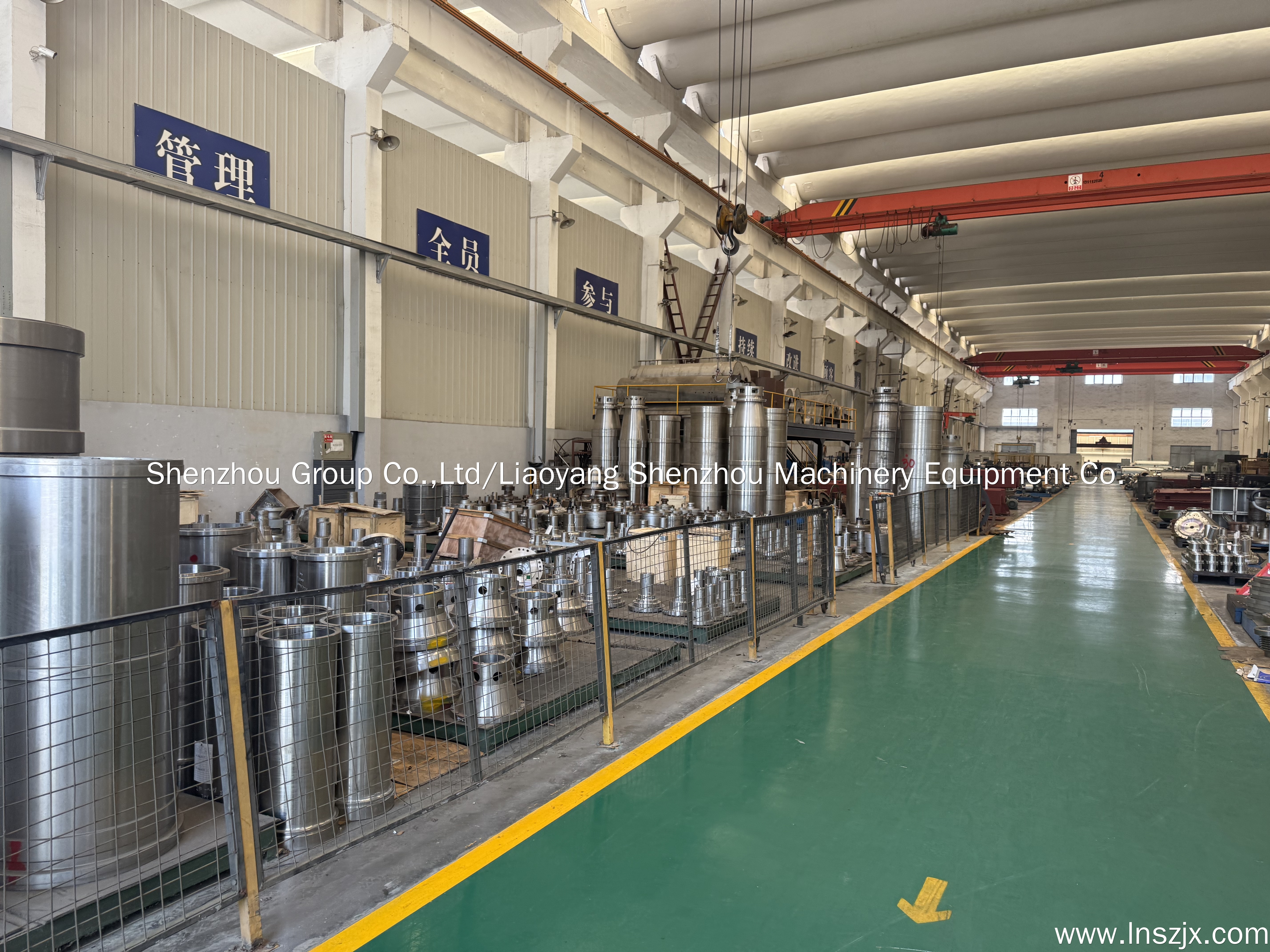
The Increasing Problem of Industrial Wastewater
Industrial processes generate wastewater flows in which solids, water, and immiscible liquids, normally oil, are mixed. Conventional treatment systems e.g. clarifiers or decanters find it difficult to treat streams that have to be separated into three phases at the same time. These manual or chemical separations are complex to operate, more costly to run, and frequently do not reach the high discharge standards.
In comes the tricanter centrifuge a machine which is specifically designed to deliver three-phase separation on an automated continuous basis. Be it offshore drilling to separate the oil in the produced water to de-water the sludge in a chemical plant, or even recovery of valuable oils in food processing wastewater, tricanter centrifuges offer efficiencies and reliability that are simply world-class.
What Is a 3-Phase Tricanter Centrifuge?
The Tricanter centrifuge is a highly refined form of horizontal scroll decanter centrifuge. Although a normal decanter only copes with two phases (liquid and solid), the tricanter is developed to address a third immiscible liquid level. It operates with the mechanism of high-speed centrifugal force to segment a mixture of different densities:
● Solids ( greatest density )
● Heavier liquid (normally water)
● Light liquid (in most cases, oil or fats)
The centrifuge bowl rotates rapidly which forms a high centrifugal field. The solids are pushed to the wall of the bowl and are carried out via a screw conveyor. The liquids are separated into concentric layers and released using weir plates which are adjustable. The outcome is automatic separation, both continuous and with a low level of operator interaction.
How the 3-Phase Tricanter Centrifuge Works?
A tricanter centrifuge involves the rotation of a mixture consisting of solids and immiscible liquids at high velocity inside a moving bowl. The heaviest phase (solids) goes up against the wall of the bowl, intermediate-density liquid (water) stays in the middle, and the lightest liquid (oil) becomes the inner layer due to centrifugal force. The solids are voiced out by an internal scroll, and the diverted liquids are out through flexible outlets, hence successive three-phasing extraction.
Advantages of Tricanter Centrifuges in the Wastewater Separation
Let’s explore the different applications of Tricanter Centrifuges in Wastewater Separation.
1. True 3-Phase Separation
The tricanter is also different from the traditional separators or clarifiers in that it can handle viscous emulsions and slurries (with solid, aqueous, and oil compositions), in one run. This is critical in oil & gas, petrochemicals, biodiesel, and food production industries in which by-products tend to contain recoverable oil.
2. Throughput and High Efficiency
The current generation of trochanter centrifuges, such as those available in the Shenzhou company, are designed to perform constant operations on a high-capacity basis. They can easily process big amounts with constant separation efficiency, despite changes in the feed conditions. High-end operating machines increase the feeding rate, bowl speed, and differential speed, to adjust performance in real-time.
3. Resource Recovery Cost Savings
Unearthing oil or a recyclable form of water saved in wastewater not only reduces waste disposal expenses but can also earn revenue. An example is edible oil industries, where a tricanter centrifuge can be used to extract valuable oil from production wastes. It is used in drilling processes where it cleans between drilling liquids to be allowed to be re-used in the drilling process and minimizes environmental encroachment.
4. Small Space and Automation
A trochanter centrifuge combines 3 processes in a small package compared with multi-step treatment plants. It reduces the cost of labor as it is automatic, requires a minimal amount of staff to operate the plant, and wastes less plant space.
5. Environmental Regulations Compliance
Setting discharge standards is non-negotiable with more environmental scrutiny. Tricanter centrifuges are used to obtain low soil water content, decrease their total suspended solids (TSS), and lower downstream costs to use chemical fleets to perform polishing procedures.
Applications of Tricanter Centrifuges in the Real World
The following are different applications of tricanter centrifuges in real
1. Oil and Gas Sector
Offshore and onshore drilling processes generate high amounts of greasy wastes and drilling sludge. The Tricanter centrifuge is effective during oil, water, and solids separation, which allows the use of drilling fluids repeatedly and meets the high requirements of marine discharges. As an illustration, some time ago, GN Solids Control launched shale shakers and mud cleaners to work on offshore platforms - a tricanter centrifuge would be a follow-up, where final separation will be provided to keep waste volumes down.
2. Edible Oil Recovery
Residual oil can also be evaluated in palm oil or olive oil processing, whereby wastewater finishes putting a load of oil residuals. This oil is reclaimed at the Tricanter centrifuges, and at the same time, the solids are dewatered, and the waste can be turned into profit.
3. Chemical and Petrochemical Plants
These plants produce complex emulsions and sludges that contain oil residues, fine solids, and heavy metals. The use of Tricanter centrifuges is essential to the efficient separation of these multi-phase mixtures and compliance with environmental discharges.
4. Food and Beverage
Processing wastes of dairy and meat processing plants frequently exude wastewater that contains fats, oils, and suspended solids. A tricanter centrifuge will provide an effective treatment of these streams, and there will be recoverable by-products leading to greater profitability of the entire plant.
5. Industrial Sludge
Sieving Municipal and industrial wastewater treatment plants are being used to pre-stabilize and digest high oil content sludge, then dewater it with tricanters, lowering the cost of disposal. Besides this, it helps produce clean water that can be reused or discharged without violating regulatory requirements.
Sustainable Impact on the Environment
Tricanter centrifuges are able to promote sustainability by reducing volumes of waste disposal and are able to recover useful oil and water, which can be reused. This has a smaller environmental footprint, lowers carbon emissions associated with transport and treatment purposes of wastes, and helps industries to meet zero-liquid discharge (ZLD) objectives.
Compatibility with Proven Treatment Systems
Modern tricanter centrifuges are rather convenient to combine with existing wastewater treatment lines. They also supplement upstream apparatus such as shale shakers, mud cleaners, or clarifiers, with a final polishing point to get the most oil recovery and solids dewatering without massive retrofitting of existing units.
Challenges of Tricanter Centrifuges
Although tricanter centrifuges boast excellent separation efficiency, some problems should be taken into consideration by their users:
1. Feed Variability: Feed compositions may vary widely and can decrease the quality of the separation and necessitate constant changes.
2. Maintenance Costs: Accuracy components and fast-moving components need frequent check-ups and professional maintenance.
3. Initial Cost: The High costs of the advanced tricanter system can be a huge investment when it comes to small operations.
4. Training of Operators: It requires trained operators who understand how to adjust the settings and troubleshoot.
5. Energy Demand: With relatively energy-efficient models available, there is still a significant portion of energy that they need to operate continuously at high speed.
Common Mistakes to Avoid When Using Tricanters
Even with the finest tricanter centrifuge, the following operations can be done inefficiently based on typical operational errors. These are the pitfalls to be avoided to achieve efficiency:
● Adding varying slurry without good pre-screening into the centrifuge.
● Neglect of maintenance periods of worn parts and bearings.
● Applying the wrong bowel speed and differential under changing feed conditions.
● Not adhering to OEM operating rules.
● Failure to use real-time monitoring or process automation where possible.
What is the Reason to Select Shenzhou for Tricanter Centrifuges?
Having decades of experience in separation technology, Shenzhou Machinery has powerful tricanter centrifuges customized for industries. The most important ones are:
● Precision Engineering: Rotating assemblies have precision and do not wear, hence they have a long service life.
● Adjustable settings: Weir plate adjustments, bowl speed ranges, and the different bowl-speed settings to cope with different feeds.
● Maintenance: The modules can be located easily, and the important components can easily be replaced.
● Energy Efficiency: Half pipe design efficiency and drive systems use less power.
● Global Service Network: Technical support and provision of spare parts to international customers.
The following table explains the significance of Shenzhou Machinery;
Feature | Shenzhou Machinery Advantages |
Experience | 50+ years in industrial centrifuge manufacturing |
Global Reach | Exported to over 70 countries worldwide |
Wide Application | Used in chemical, pharma, food, biotech, and environmental fields |
Quality | Strict QC with CAD/3D design and certified raw materials |
Service | OEM/ODM, one-stop custom service with installation and support |
Innovation | Patented technology and advanced testing systems |
Best Way to Choose a Tricanter Centrifuge
Under investments in the tricanter centrifuge used to separate wastewater, the following factors should be considered:
● Feed Characteristics: density, viscosity, solid content, and flow rate.
● Capacity Requirements: Targeted throughput per hour.
● Separation Performance: Pointed solids, oil recovery, and moisture.
● Material Compatibility: Abrasive or corrosive nature of the feed.
● After-Sales Support: Local service engineers and supplies of spare parts.
A quality supplier such as Shenzhou Machinery will offer full process analysis, pilot evaluation, and design suggestions to guarantee that the system addresses your specific performance objectives.
The Future Industrial Wastewater Treatment
The industries are drastically inclined towards the adoption of the circular economy. It is no longer necessary to get rid of wastewater but rather to recover resources. Tricanter centrifuges are in full accord with the strategy as they optimize the recovery of oil, allow the reuse of water, and reduce waste volumes.
New developments are centering on;
- The integration of tricanter centrifuges with intelligent monitoring systems using predictive maintenance.
- Process optimization. AI-guided process control, remote monitoring, and IoT connection are improving the way operators operate in complex separation procedures.
Conclusion
Efficient separation into three phases is indispensable in industrial wastewater treatment, both with respect to achieving environmental standards and in terms of the profitability of operations. 3-phase tricanter centrifuges are proven to work reliably, have very high recovery rates, and are highly economical in industrial applications. A highly reliable ally, such as Shenzhou Machinery, can be the added value of the confidence of sustainable operations and legal relaxation of international buyers who want durable, effective, and economical solutions for wastewater separation.
FAQs
Q1: How does a decanter differ from a tricanter centrifuge?
The separation between solids and liquids (2-phase) is performed using a decanter centrifuge, whereas solids and two immiscible liquids can be separated at the same time using a tricanter centrifuge in a 3-phase separation.
Q2: What can tell me that my process requires a tricanter centrifuge?
A tricanter is a suitable tricanter when it comes to separating your wastewater that has high levels of oil or non-mixing liquids, as well as solids that include oily slurries, produced waters, and emulsions.
Q 3: How does a tricanter centrifuge need to be maintained?
Routine care involves check-ups of worn components such as conveyor scrolls, bearings, and seals. Analysis and precise replacement after regular check-ups guarantee a long service life and ideal performance.
Q4: Does a tricanter centrifuge allow different feed conditions?
Indeed, bowl and differential speeds in the modern tricanter centrifuges can be adjusted to respond to irregularities in feed stream flow and composition and thus provide consistent separation quality.
Q5: How do I select the tricanter centrifuge manufacturer?
Some of them are the quality of engineering, the possibilities of customization, the quality of post-sale, the availability of spare parts, and the experience with your industry. A good organization, such as Shenzhou Machinery, offers end-to-end assistance in terms of design commissioning.
ReviewsNumber of comments: {{ page.total }}
I want to comment?
{{item.nickname ? (item.nickname.slice(0, 2) + '*****') : item.source === 1 ? 'mall buyer' : '--'}}
{{item.comment_time}}
Review in the {{item.country}}
Reviews
Merchant
{{replyItem.nickname ? (replyItem.nickname.slice(0, 2) + '*****') : replyItem.source === 1 ? 'mall buyer' : '--'}}
{{replyItem.parent_nickname ? (replyItem.parent_nickname.slice(0, 2) + '*****') : '--'}}
{{replyItem.is_merchant_reply === 1 ? replyItem.reply_time : replyItem.comment_time}}
Review in the {{replyItem.country}}
Reviews

No customer reviews
Recommended for you
Leave A Message
Welcome all who care engaged in the separation and filtration to work with us,and we are also looking for the qualified world wide agents to provide better service and deep marketing.
Copyright © 2026 Shenzhou Machinery is a core subsidiary of Shenzhou Group | Sitemap