


Table of Contents
Automated vs. Manual Decanter Centrifuges: ROI Comparison for Dairy Farms
2025-11-03
Modern dairy production operates on tight margins, where every litre of milk, every hour of labour, and every kilowatt of energy impacts profitability. Yet one process remains critical to both product quality and operational efficiency, solid–liquid separation. Whether separating cream from milk or treating wastewater, the decanter centrifuge has become an essential component of the dairy supply chain.
However, not all centrifuges are created equal. Traditional manual systems demand constant operator supervision, while automated decanter centrifuges use sensors, digital controllers, and self-adjusting mechanisms to optimise performance with minimal human input.
This article evaluates the return on investment (ROI) of automated versus manual decanter centrifuges for dairy farms, quantifying both the economic and operational advantages, and showing how Shenzhou Machinery's automation technology is reshaping the future of dairy separation.
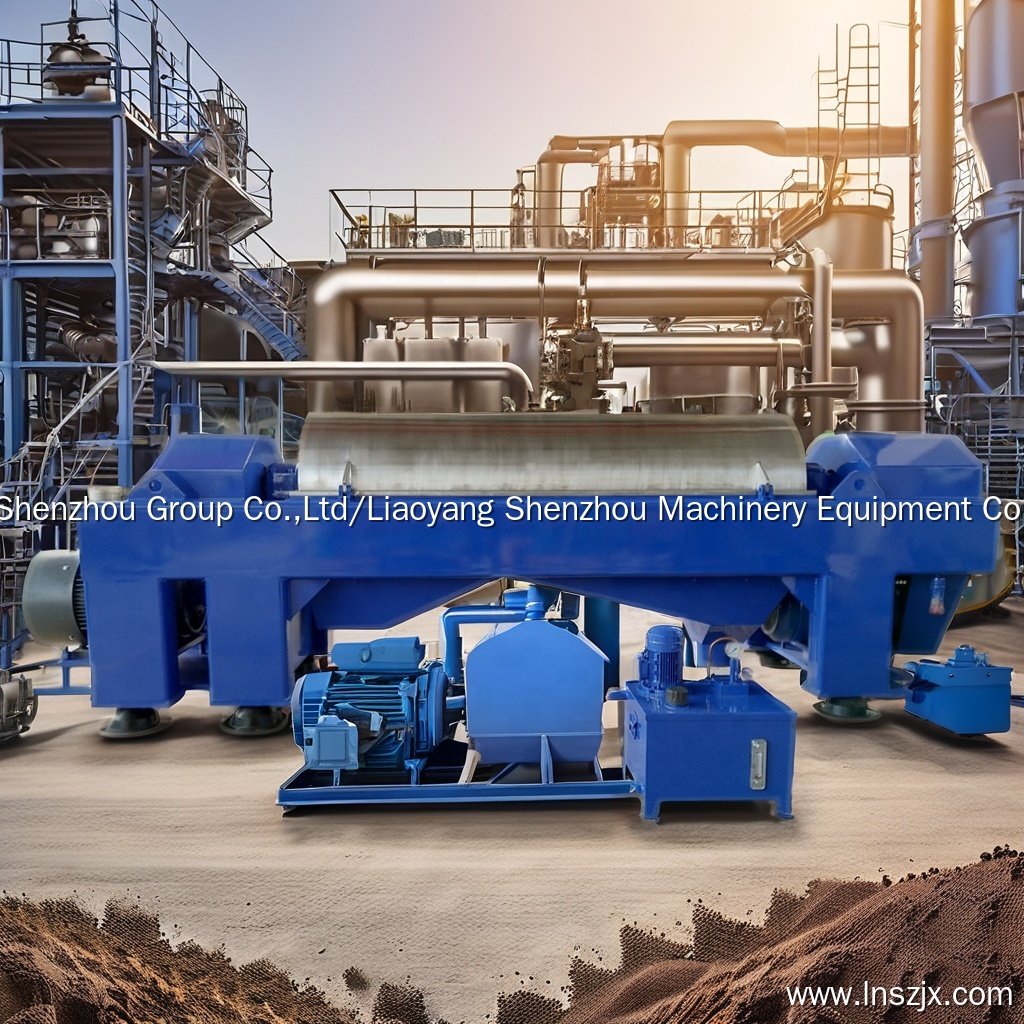
The Growing Efficiency Challenge in Dairy Operations
Data published by the Dairy News shows that global dairy demand in the market is expected to grow by 11% in 2030 while margins remain under pressure due to rising energy usage and labour costs. Key operational issues facing dairy processors include:
● High labour costs: Manual centrifuges often require full-time operators.
● Inconsistent separation efficiency: Variability affects product yield and purity.
● Energy and water wastage: Inefficient control systems lead to unnecessary consumption.
● Downtime losses: Manual adjustments during operation increase non-productive time.
To be competitive, dairy farms must modernise which involves equipment that can provide sustained performance and predictable returns. This is where automation can be shown to have a major impact.
Manual vs. Automated Decanter Centrifuges: Key Differences
Feature | Manual Decanter Centrifuge | Automated Decanter Centrifuge (Shenzhou) |
Control System | Manual adjustment via levers and valves | PLC-based system with digital sensors |
Operator Involvement | Continuous supervision (6–8 hrs/day) | Minimal (automated start, stop, and monitoring) |
Separation Efficiency | 85–88% average | 95–98% consistent |
Energy Consumption | Fixed speed | Variable frequency drive (VFD) optimises power use |
Maintenance Frequency | Every 3–4 months | Every 6–8 months |
Noise Level | 85–90 dB | 70–75 dB (low noise) |
Downtime | 10–12% of working hours | Below 4% |
These differences highlight how automation improves both precision and energy efficiency, two of the most significant cost factors in dairy operations.
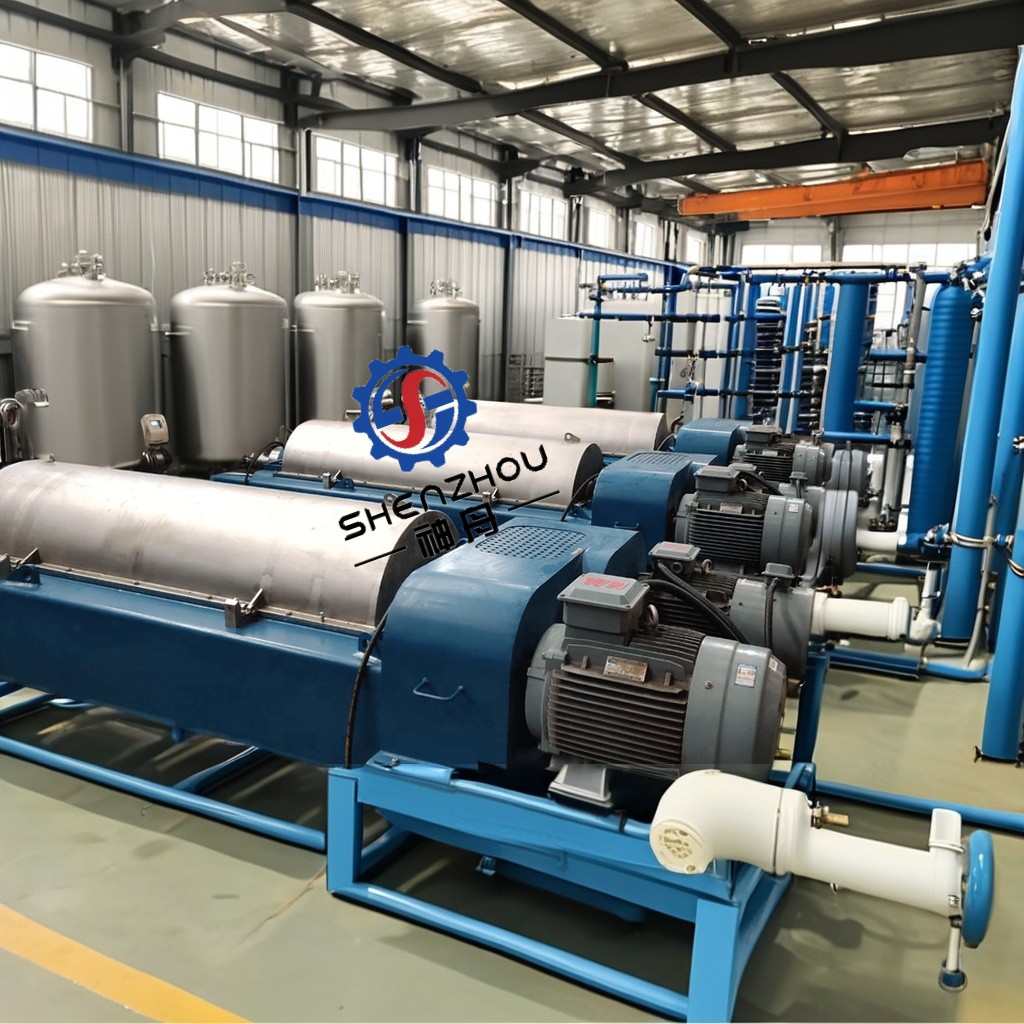
Quantifying the ROI: Cost and Payback Comparison
Initial Investment
Automated centrifuges cost approximately 15–25% more upfront than manual systems due to additional sensors, controllers, and drives. However, this initial investment is rapidly offset by lower operating costs.
Operational Savings Breakdown
Based on data from mid-sized dairy farms (processing 30,000–50,000 litres/day):
Parameter | Manual System | Automated System | Annual Savings |
Labour (1 operator @ £18/hr × 8 hrs × 300 days) | £43,200 | £8,640 (80% less supervision) | £34,560 |
Energy Consumption | £12,000 | £9,600 (20% reduction via VFD) | £2,400 |
Maintenance Costs | £6,000 | £3,500 | £2,500 |
Product Loss (due to inefficiency) | 2.5% of yield (~£5,000) | <0.8% (~£1,600) | £3,400 |
Total Annual Savings: ≈ £42,860
If the automated system costs £180,000 compared to £150,000 for manual, the additional £30,000 investment is recovered in less than one year.
Operational Efficiency: Beyond the Numbers
A) Stable Product Quality
Fully automated centrifuges are equipped with feedback loops, enabling the control of differential speed and torque in real time. This results in consistent separation of cream, skimmed milk and whey and eliminates the variations noticed with manual systems. Reports are given by dairy processors of recovered fat percentages of from 1 to 5% greater, and of a lower percentage of product rejected which benefits the profit margin directly.
B) Less Human Error
The processes are dependent on manual operation which requires experience and precision, both being subjected to fatigue and variations through that. Automating the systems established procedures on shift to shift variations, thus upholding a constant bowl speed and torque in the centrifuge despite varying conditions of feed.
C) Energy and Resources Optimisation
Shenzhou by the automatic systems in operation are able to gain the advantage of frequency converters, automatically optimising the motor speed required as per the load factors. Resulting in a 15-20% less energy requirement and a minimisation of water used in washing cycles, which come into force with ISO50001 energy management systems.
D) Predictive Maintenance
The intelligent PLC equipment installed are capable of real time achievement of vibration information and bearing temperature evolution. When vibration is recorded or temperatures there are caused through imbalance etc, operators are informed early as to any imbalance which might exist or wear occur, pre-empting costs emminated through unwanted downtime borne through the plant.
Long-Term Business Advantages
1. Scaling Up
Automated centrifuges can be easily integrated into fully digitalized processing lines with SCADA or IoT-based monitoring facilities. When production volumes increase, adjustments to the software have to be carried out instead of mechanical adjustments and this lowers the costs of expansion.
2. Manpower Reallocation
The repetition of routine monitoring working by automation offers work to skilled manpower and also helps in other fields like quality control divisions or preventive maintenance, improving the overall efficiency of resources.
3. Compliance and Sustainable Development
Modern centrifuges meet strict limits concerning the environment and hygiene, such as 3A Sanitary Design and CE Certificate. The reduction in energy and water consumption allows the company to comply with ESG and CO2 reduction and improves the profile for sustainability.
4. Operational Reliability
Automated systems work 24 hours a day for periods of up to 8000 hours a year due to the absence of down-time, which means that there will be a reliable processing of milk, even in the peak seasons. The catastrophe in mechanical balance continues to allow the life span of components to be increased to about 30-40% as compared to manually operated units..
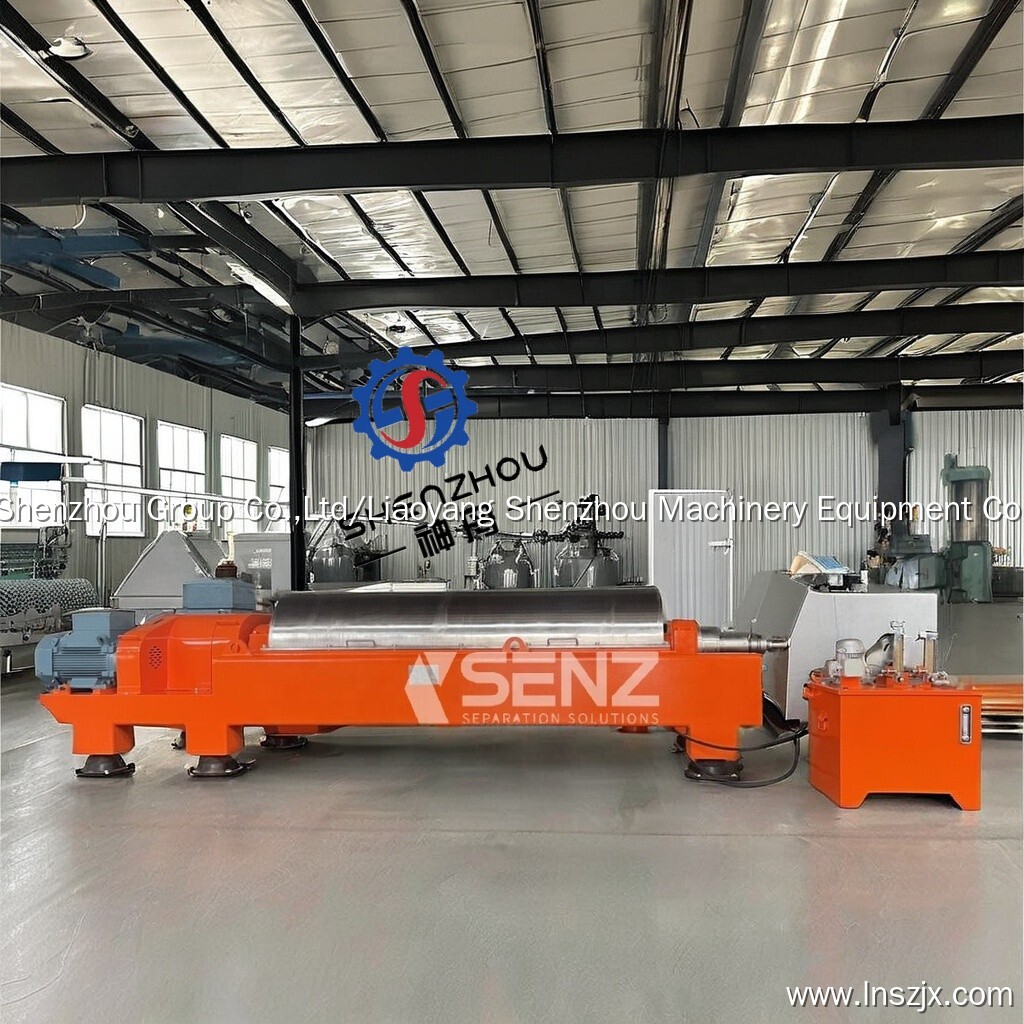
Why Shenzhou Machinery's Automation Technology Leads the Market
Shenzhou Machinery with more than forty years of manufacturing experience has established a world leading reputation and is recognized as one of the most reliable sources of centrifuges in China. The modern automated decanter centrifuge range of the company includes intelligent control systems, energy-saving driving techniques and strong durable metallurgical materials, and is ideally suited for dairy processing, food processing and environmental industries and their specific needs.
Core Technological Advantages:
1. Full Automation Control: PLC + VFD + HMI interface for quality results and ease of handling
2. Real-time Control: Unlimited continuous monitoring and results Feedback on vibration, torque and temperature
3. High Efficiency Drive: Reduces Energy Consumption by 15 - 20%
4. Noise Levels: Acoustic casing lowers noise levels between 70 - 75 dB
5. Strong Construction: Duplex Stainless Steel provides for hygienic processing and long life span
6. Customized Design: Various configurations of zones in feed mechanism and discharge mechanisms for various.
Service Support:
Shenzhou offers installation guidance, 24/7 technical consultation, and training programmes, ensuring each client achieves optimal system performance and ROI.
The Future of Dairy Processing: Data-Driven Centrifuges
The global trend toward smart dairy automation is accelerating. According to MarketsandMarkets (2024), the dairy automation market is projected to reach USD 18.2 billion by 2030, with centrifuge automation among the fastest-growing subsegments.
Shenzhou Machinery's roadmap includes further integration of AI-based torque prediction and cloud-based performance analytics, enabling operators to benchmark production data remotely and optimise yield in real time.
For farms transitioning from manual systems, automation represents more than a technological upgrade, it's a long-term investment in efficiency, sustainability, and competitiveness.
Conclusion
When comparing automated vs manual decanter centrifuges, the financial and operational case for automation is undeniable. Despite higher initial costs, automated centrifuges deliver faster ROI through labour reduction, energy efficiency, and superior product yield.
For dairy farms navigating tight budgets and rising compliance demands, Shenzhou Machinery's automated decanter centrifuge provides a proven, reliable, and future-ready solution.
By adopting automation now, dairy producers can reduce operational risk, improve profitability, and secure their position in a rapidly modernising industry.
ReviewsNumber of comments: {{ page.total }}
I want to comment?
{{item.nickname ? (item.nickname.slice(0, 2) + '*****') : item.source === 1 ? 'mall buyer' : '--'}}
{{item.comment_time}}
Review in the {{item.country}}
Reviews
Merchant
{{replyItem.nickname ? (replyItem.nickname.slice(0, 2) + '*****') : replyItem.source === 1 ? 'mall buyer' : '--'}}
{{replyItem.parent_nickname ? (replyItem.parent_nickname.slice(0, 2) + '*****') : '--'}}
{{replyItem.is_merchant_reply === 1 ? replyItem.reply_time : replyItem.comment_time}}
Review in the {{replyItem.country}}
Reviews

No customer reviews
Recommended for you
Leave A Message
Welcome all who care engaged in the separation and filtration to work with us,and we are also looking for the qualified world wide agents to provide better service and deep marketing.
Copyright © 2026 Shenzhou Machinery is a core subsidiary of Shenzhou Group | Sitemap