


Table of Contents
A Brief Discussion on Disc Centrifuge
2024-11-27
×
working principle
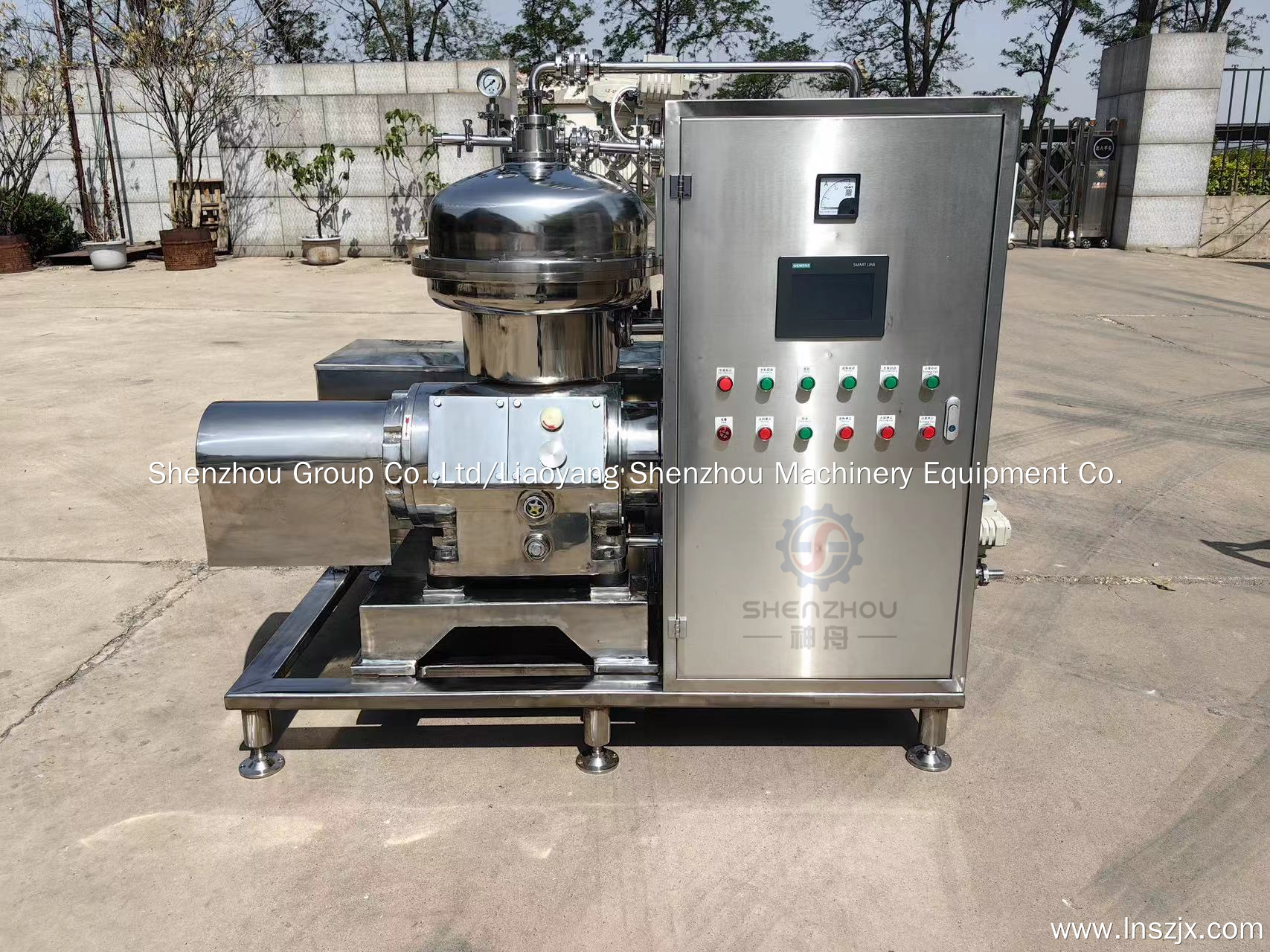
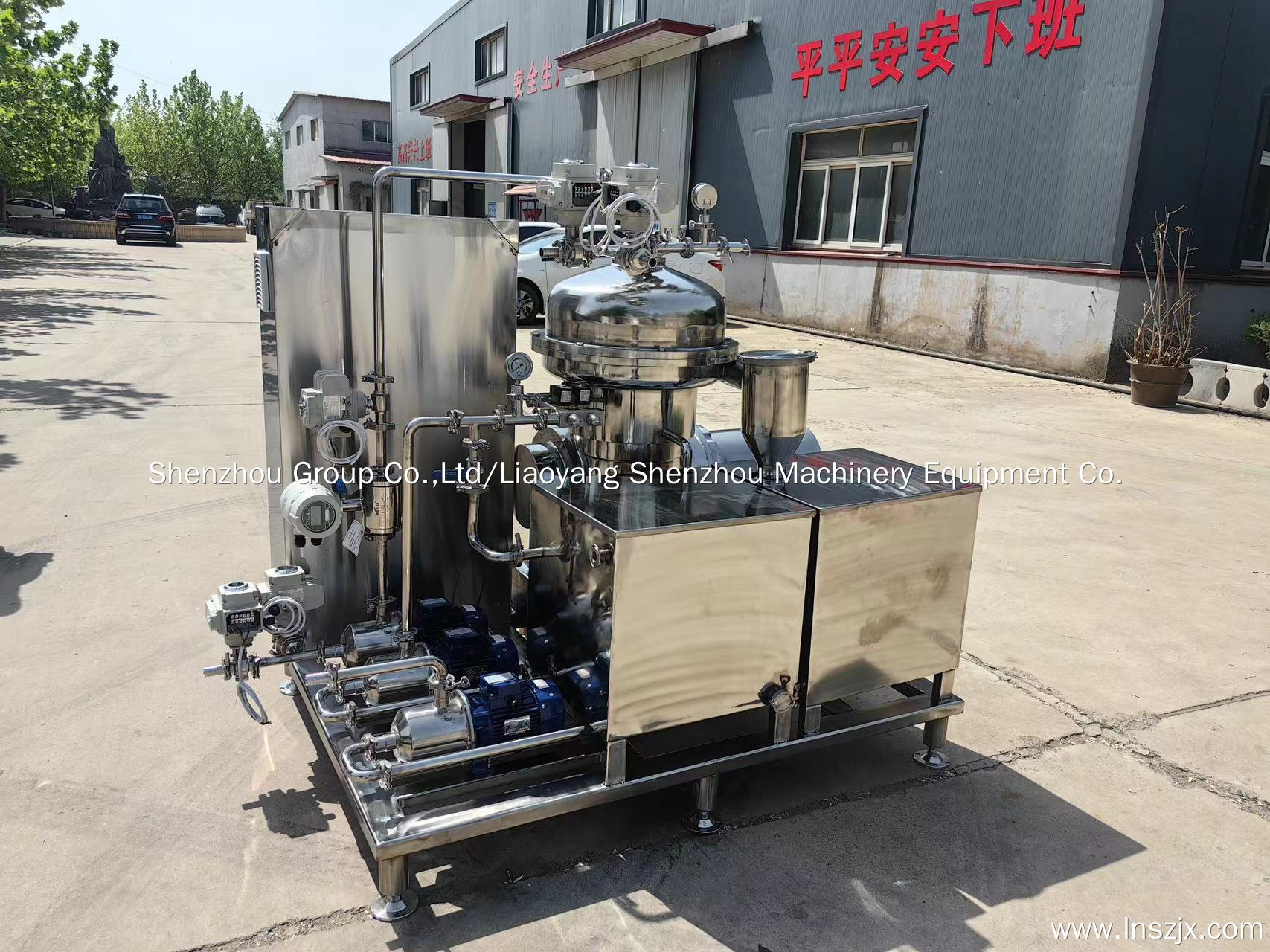
There is a set of disk shaped components nested together inside the drum - discs. There is a small gap between the discs. The suspension (or emulsion) is fed into the drum through a feed pipe located at the center of the drum. When the suspension (or emulsion) flows through the gaps between the discs, solid particles (or droplets) settle onto the discs under the action of the centrifuge, forming sediment (or liquid layer). The sediment slides along the surface of the disc and separates from it, accumulating in the largest diameter part of the drum. The separated liquid is discharged from the outlet of the drum.
The function of the disc is to shorten the settling distance of solid particles (or droplets) and expand the settling area of the drum. The installation of the disc in the drum greatly improves the production capacity of the separator. The solids accumulated in the drum are manually removed by dismantling the drum after the separator is stopped, or discharged from the drum without stopping through the slag removal mechanism.
Operation method
Two operations of disc centrifuge:
1. Liquid solid separation (i.e. separation of bottom concentration suspension), also known as clarification operation.
2. Liquid liquid separation (or liquid-liquid solid) separation (i.e. separation of emulsion), also known as separation operation.
Disc centrifuge
Disc centrifuge is a type of vertical centrifuge, with the drum mounted on the upper end of the vertical shaft and driven by an electric motor through a transmission device to rotate at high speed. There is a set of disk shaped components nested together inside the drum - discs. There is a small gap between the discs. The suspension (or emulsion) is fed into the drum through a feed pipe located at the center of the drum. When the suspension (or emulsion) flows through the gaps between the discs, solid particles (or droplets) settle onto the discs under the action of the centrifuge, forming sediment (or liquid layer). The sediment slides along the surface of the disc and separates from it, accumulating in the largest diameter part of the drum. The separated liquid is discharged from the outlet of the drum. The function of the disc is to shorten the settling distance of solid particles (or droplets) and expand the settling area of the drum. The installation of the disc in the drum greatly improves the production capacity of the separator. The solids accumulated in the drum are manually removed by dismantling the drum after the separator is stopped, or discharged from the drum without stopping through the slag removal mechanism.
Principle and Structure
The disc separator can perform two operations: liquid-solid separation (i.e. separation of bottom concentration suspension), also known as clarification operation; Liquid liquid separation (or liquid-liquid solid) separation (i.e. separation of emulsions) is called separation operation. The drum is equipped with a stack of conical discs, and a centrifugal separator is used to separate the components of emulsion and low concentration suspension by centrifugal settling method. Disc separators can operate under sealed, high temperature, low temperature, pressurized, and vacuum conditions, and are used for purifying cream and juice, beer, animal and vegetable oils, transformer oil, etc. from milk, as well as yeast concentration and serum extraction from animal plasma.
Application area
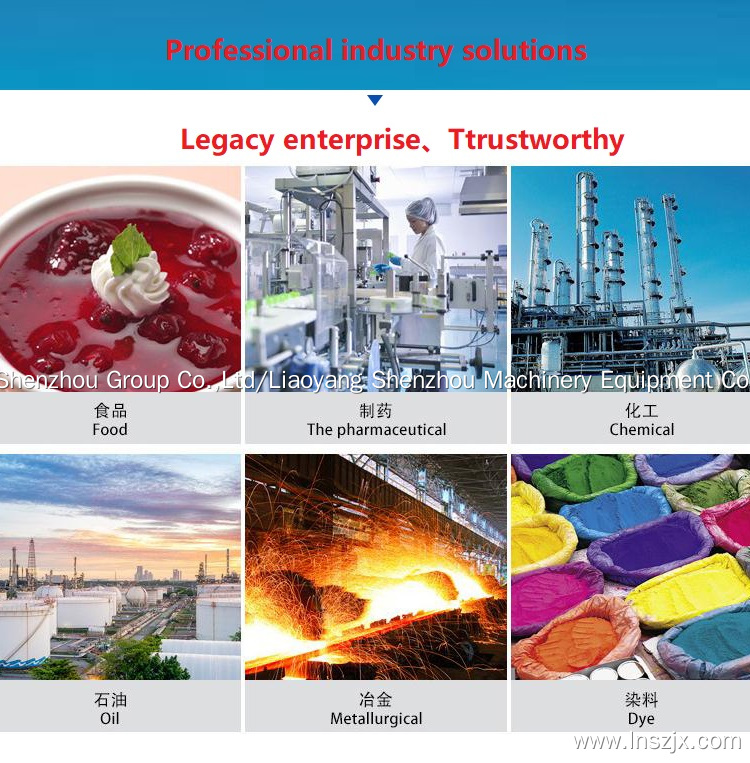
1. Mineral oil industry: purification of fuel and lubricating oil for ship engines, land diesel engines, power stations, etc;
2. Dairy industry: clarification and purification, defatting of fresh milk;
3. Vegetable oil industry: purification and clarification of palm oil, as well as refining of vegetable oil through processes such as degumming, soap removal, dehydration, and dewaxing;
4. Beverage industry: clarification of beer, juice, beverages, extraction of plant protein, wastewater treatment, etc; Clarification of biotechnology fermentation broth;
5. Starch industry: concentration and grading of starch slurry;
6. Pharmaceutical industry: purification or clarification during the extraction process of antibiotics and biopharmaceutical drugs, clarification of traditional Chinese medicine drugs, etc;
7. Chemical industry: purification or clarification of chemical raw materials;
8. Lanolin industry: extracting and purifying lanolin from wool washing wastewater;
9. Latex industry: Purification and concentration of natural rubber emulsion;
10. Other industries: such as laboratories, petroleum, coking, kaolin, pulp recycling, electrolyte treatment, wastewater treatment, environmental protection, as well as the extraction of animal and plant proteins, the extraction and refining of animal fats, and the separation of mixed fatty acids.
ReviewsNumber of comments: {{ page.total }}
I want to comment?
{{item.nickname ? (item.nickname.slice(0, 2) + '*****') : item.source === 1 ? 'mall buyer' : '--'}}
{{item.comment_time}}
Review in the {{item.country}}
Reviews
Merchant
{{replyItem.nickname ? (replyItem.nickname.slice(0, 2) + '*****') : replyItem.source === 1 ? 'mall buyer' : '--'}}
{{replyItem.parent_nickname ? (replyItem.parent_nickname.slice(0, 2) + '*****') : '--'}}
{{replyItem.is_merchant_reply === 1 ? replyItem.reply_time : replyItem.comment_time}}
Review in the {{replyItem.country}}
Reviews

No customer reviews
Recommended for you
Leave A Message
Welcome all who care engaged in the separation and filtration to work with us,and we are also looking for the qualified world wide agents to provide better service and deep marketing.
Copyright © 2026 Shenzhou Machinery is a core subsidiary of Shenzhou Group | Sitemap